Swadeshi Movement Gallery
Boycotting of foreign goods as a movement had happened much before 1905, the objective was to strengthen the indigenous industries. However, in case of 1905 massive agitations, the example of China was considered for the Bengalis.
National Council of Education Bengal logo Established in Kolkata for providing national education
(this photograph is collected from www.sriaurobindoinstitute.org)
The famous journal “Barisal Hitaishi” in its July 19, 1905 stated about the 19 th Century Chinese use
of boycott as a weapon against the foreign powers, which highly encouraged the Bengalis.
- Unrefined rock-salt was substituted for imported salt.
- Molasses was substituted for sugar.
- Real trouble was faced in case of replacing the foreign made cloths with the indigenous
ones, though the campaigns against the British-made cloths were gaining momentum. - The English newspapers like The Englishmen, The Daily Mirror propagated that they
movement was fading and it had lost its appeal. - But the British owned newspapers like The Statesman and Friend of India were writing
about the developments of the movement and published news in an impartial way.
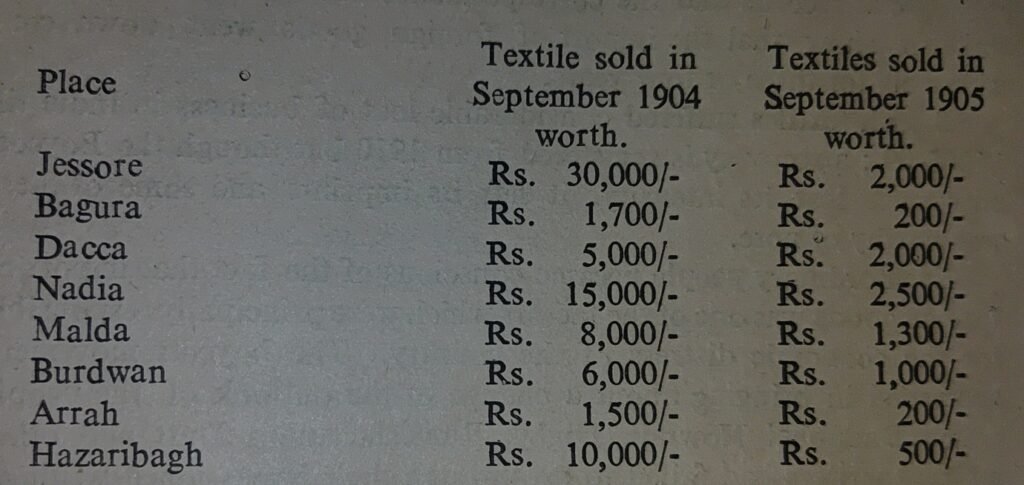
Image courtesy: RC Majumdar’s book History of Modern Bengal
Many students in various districts were fined and rusticated, many teachers were dismissed by the authorities for participating in the Swadeshi Movement under the new circular known as ‘Carlyle circular’. Widespread anger was witnessed among the masses on this issue and a meeting was held in Kolkata at the house of Charu Chandra Mallick, presided over by Rabindranath Tagore. The meeting was attended by Bipin Chandra Pal, Bhupendra Nath Basu, Krishna Kumar Mitra, Satish Chandra Mukherjee, Manoranjan Guha Thakurata and other eminent leaders and thousands of college students too. The students took the oath that they would not accept the ‘Carlyle Circular’, Tagore in his speech supported the students and criticized the circular.
As the Swadeshi Movement gaining more and more momentum, the government intensified its repressive policies. The special orders issued in the latter part of 1905 were:
- 1) ‘Bande Mataram’ was not to be shouted on the streets or in public places.
- 2) No meeting to be held in a public place for discussion of politics or allied matters.
- 3) Students must not crowd on streets for singing nationalist songs or for shouting slogans like ‘Bande Mataram’.
- 4) No discourteous gestures must be made to English ladies passing by in carriages and nothing must be done to cause them annoyance.
The Anti- Circular Society
A young nationalist Sachindra Prasad Bose formed the Anti-Circular Society. Along with singing the nationalist songs on the streets and picketing before the shops selling foreign goods, the society gradually extended its programme of work:
- To arrange for education of students expelled from their schools for participation in the Swadeshi Movement.
- To propagate among the masses through processions and songs the objective of nationalist movement and to preach the means of its success.
- To persuade the sellers of foreign goods from dealing in them and intending purchasers against purchasing them.
- To arrange for supply of indigenous goods in towns and villages for sale.
- To popularize the Swadeshi Movement through speeches in public meetings.
The Dawn Society formed in 1902 by Satish Chandra Mukherjee with the aim of physical, mental, spiritual development of the youth, actively involved itself in infusing nationalism among the youth during the Swadeshi Movement.
- A large meeting was organized in Kolkata by the Dawn Society on November 5, 1906, attended by two thousand students. Satish Chandra Mukherjee called upon the students to come out of Calcutta University, which he termed as institution of slavery and also to boycott examinations. This meeting marked the establishment of National Council of Education.
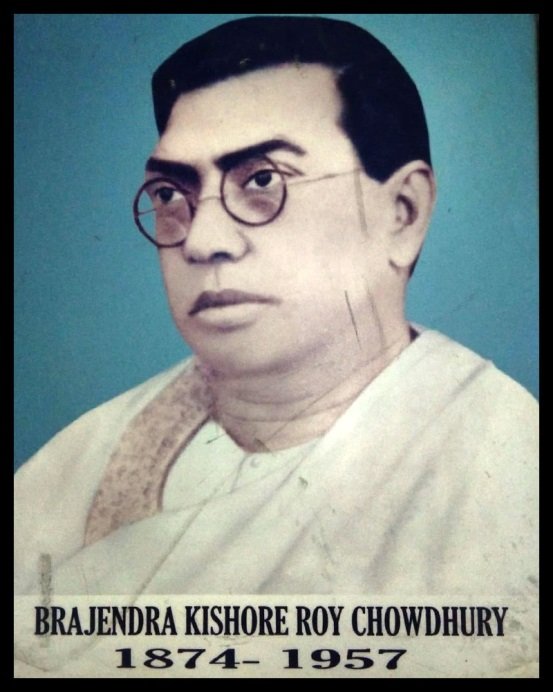
- On November 9, 1905, another meeting was held and Subodh Chandra Mullick offered a donation of a lakh rupee for the cause of national education and the people honored Mullick with the title of ‘Raja’. On the following day, Zamindar of Gauripore, Brojendra Kishore Roy Chowdhury made a donation of five lakh rupees for the cause.
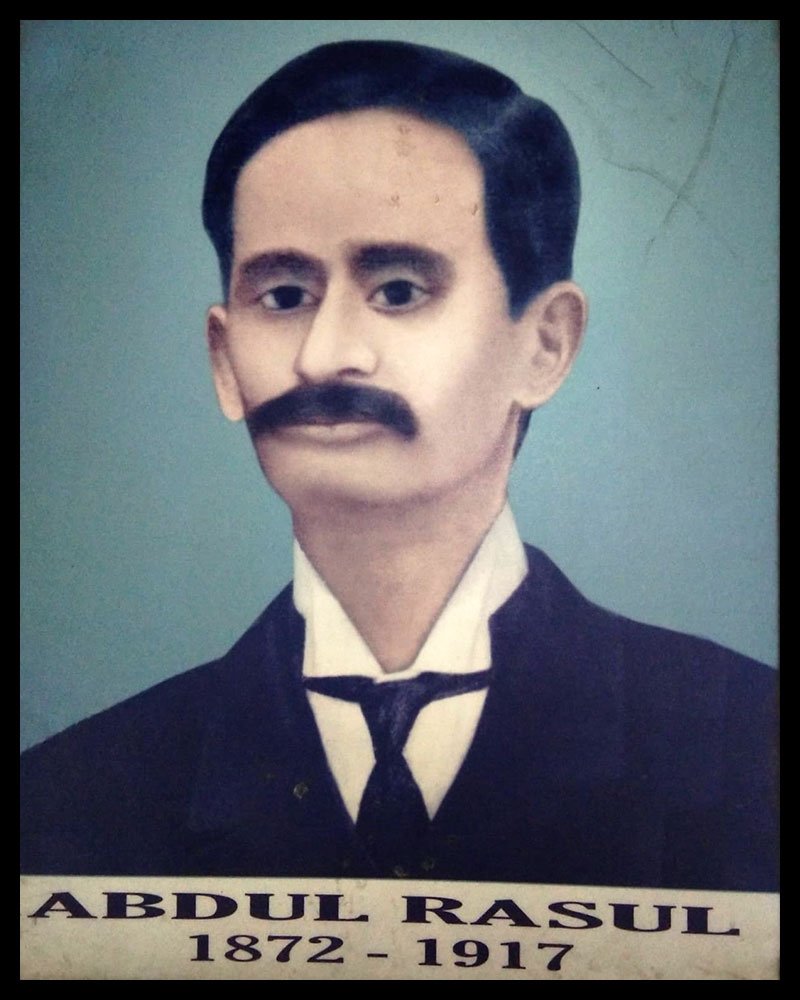
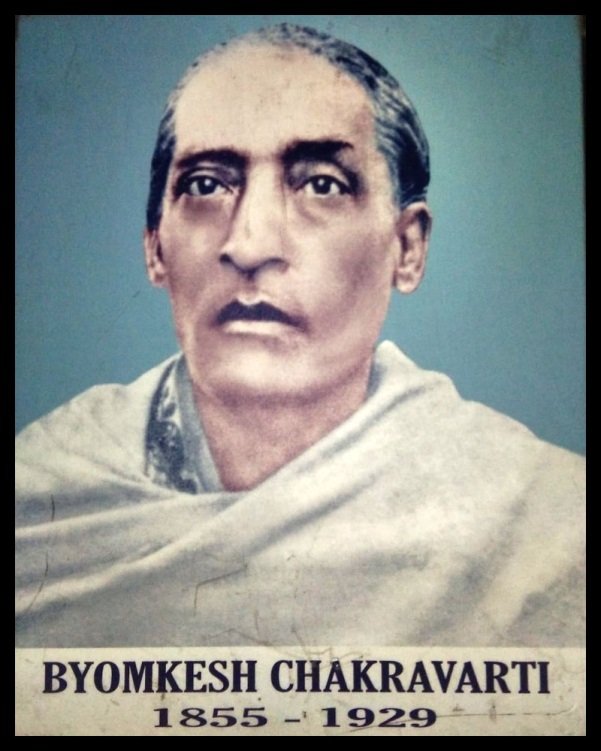
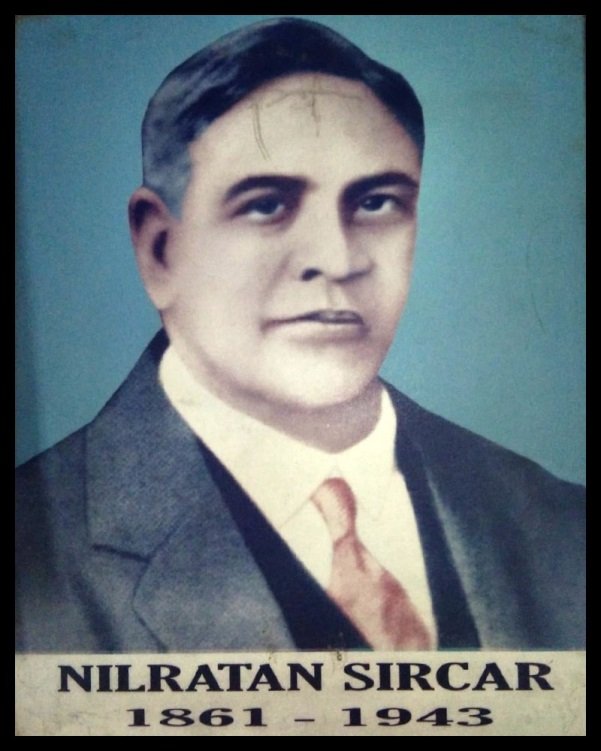
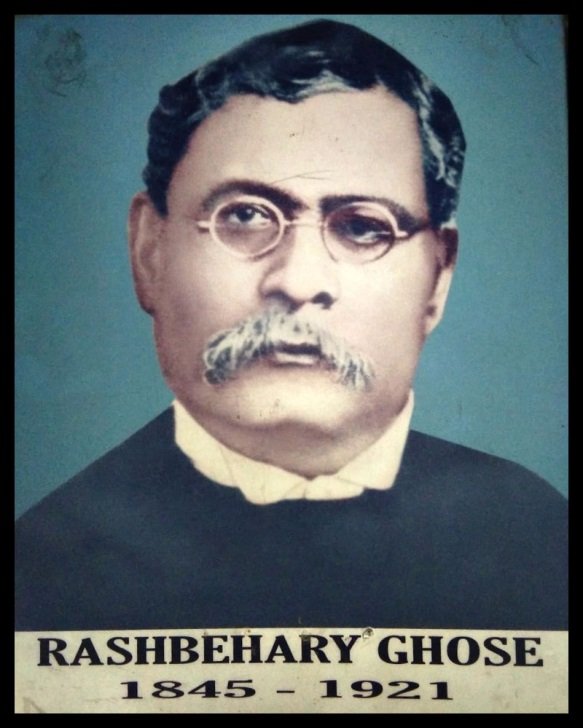
- On November 16, a grand conference was organized attended by Satish Chandra Mukherjee having the nationalist intellectuals Ashutosh Chowdhury, Hirendranath Dutta, Rashbehari Ghose, Taraknath Palit, Byomkesh Chakravarty, Chittaranjan Das, Abdul Rasul, Nilratan Sarkar, Brojendralal Sil, Lalmohan Ghose, Surendranath Banerjee, Bipin Chandra Pal, Motilal Ghose, Subodh Chandra Mullick and of course
Rabindranath Tagore. - The conference took the decision of
- <> Immediate establishment of a National Council of Education for all kinds
education in humanities, sciences and technical education. - <> All the subjects would be taught in Bengali but English would be a
compulsory subject. - <> Emphasis would be given in moral and physical education. Installing
patriotism and devotion towards the service of the mother land would be
given great importance. - <> Stress would be laid on teaching history, literature and philosophy of the land
and on harmonizing the eastern and western ideas. - <> National Council of Education (NCE) was established in August 14, 1906.
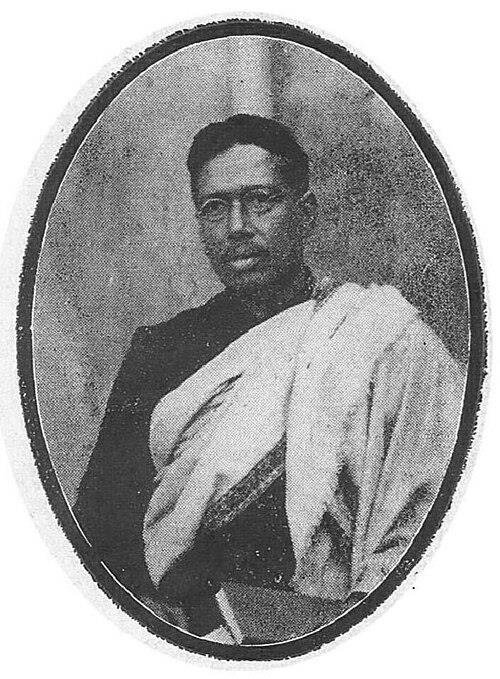
Indian nationalist, freedom fighter, writer, orator, social reformer, one of the main architects of the Swadeshi Movement, known as the father of revolutionary ideas during the freedom struggle in India
(Image Courtesy: Wikipedia, by Andhra Patrika editors – https://archive.org/details/andhrapatrikasamvatsaradisanchika1911, Public Domain, https://commons.wikimedia.org/w/index.php?curid=153247243)
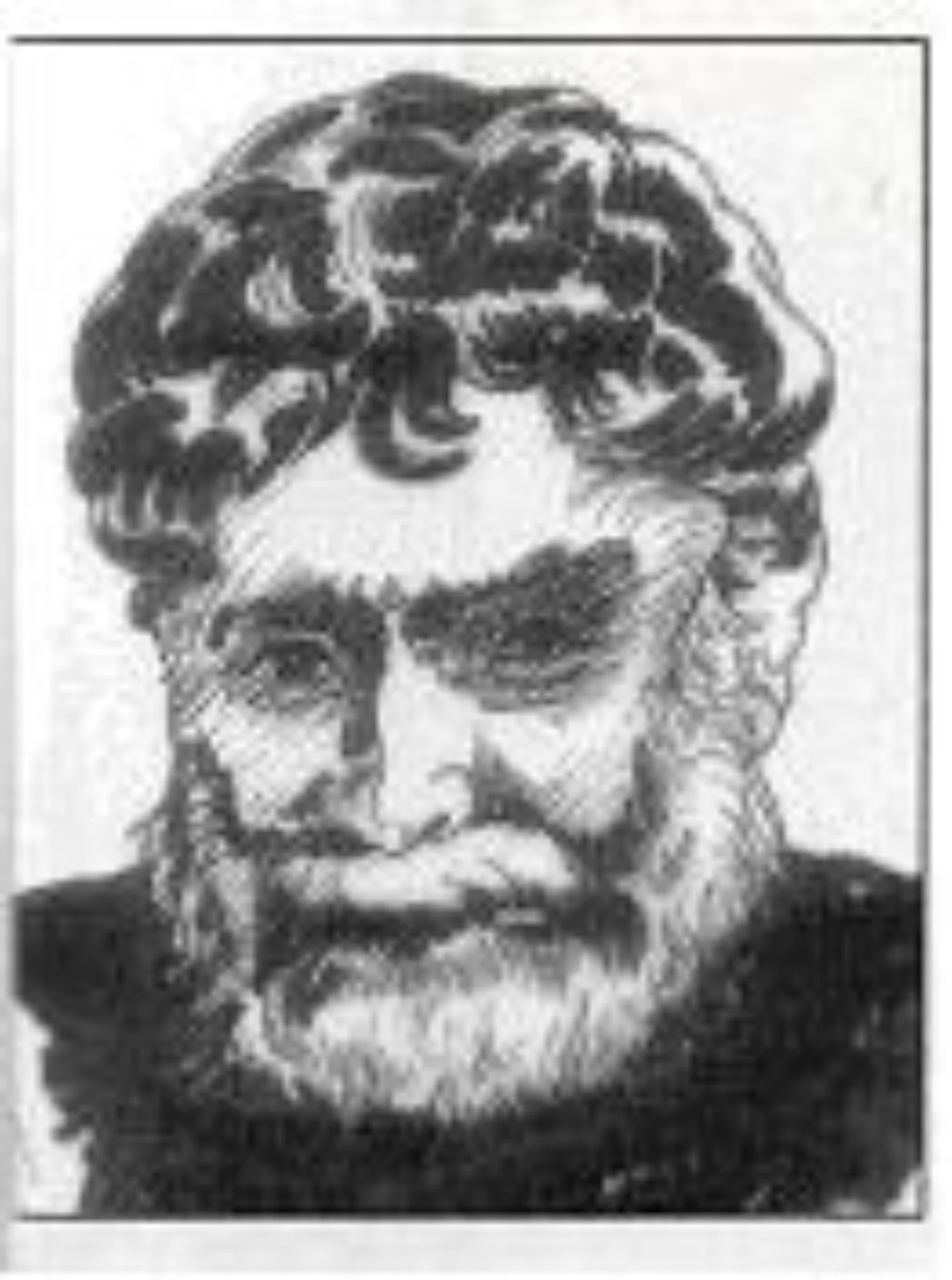
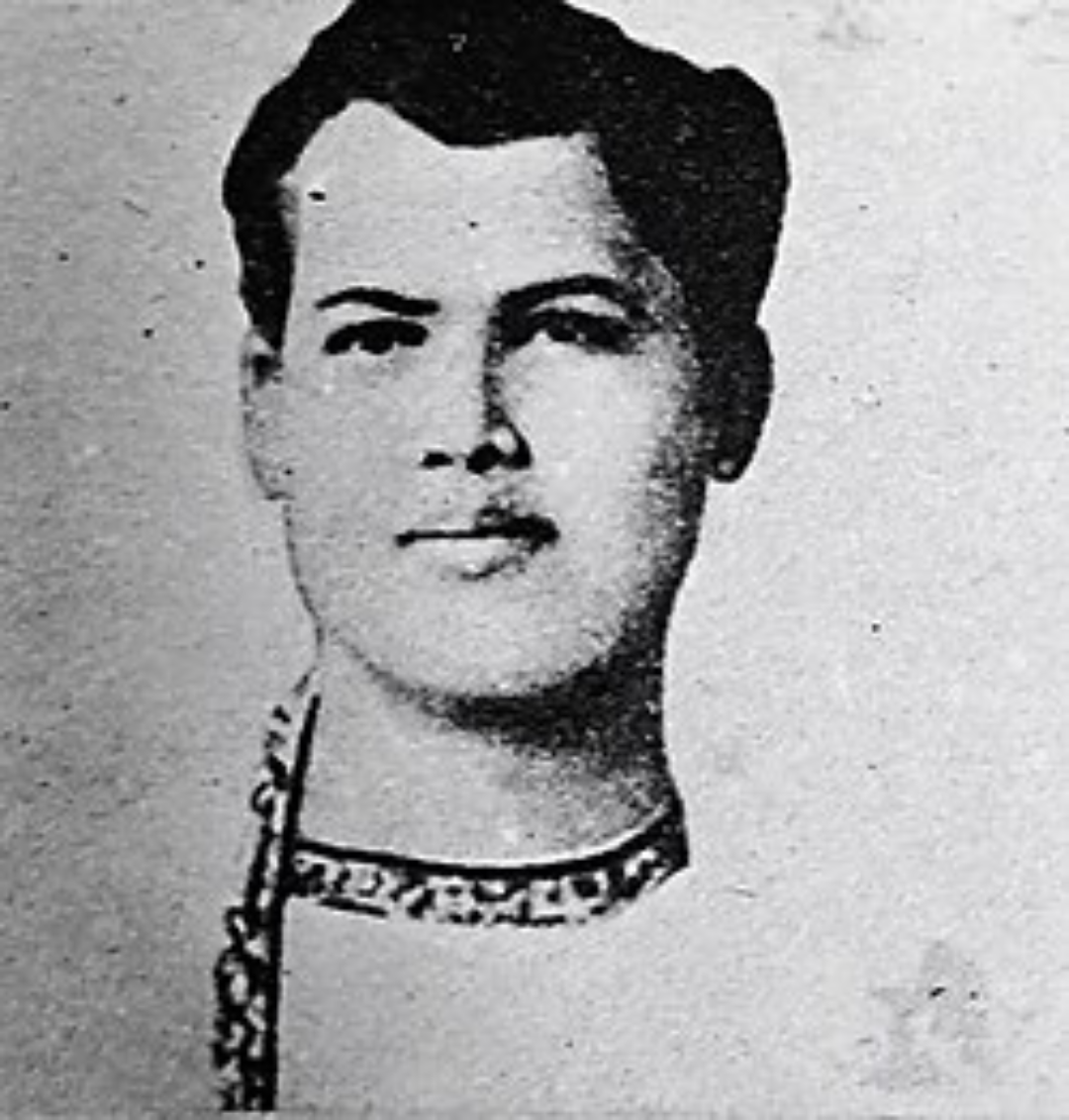
Founder the Dawn Society, pioneer in establishing national education during Swadeshi Movement
(this image is in public domain, collected from Wikipedia)
Indian industrialist, philanthropist and a nationalist, one of the co-founders of the Bengal National College
(this image is collected from Wikipedia, by WB Archives – WB Archives, CC BY-SA 2.5,
https://commons.wikimedia.org/w/index.php?curid=168339437)
By the end of 1905, the Swadeshi Movement of Bengal was very strongly spreading in other parts of India, as it spread to 23 districts of U.P, 15 towns of M.P, 24 towns of Bombey (now Maharashtara), 20 districts of Punjab (undivided Punjab) and 13 districts of Madras (now Tamil Nadu). Nationalist leader Bal Gangadhar Tilak led the movement in Bombey.
- Due to this movement, textile products of the mills of Bombay and Ahmedabad flourished.
- Like Bengal, priests in Lahore and Haridwar refused to offer deities sweets made with imported suger.
- Priests of Puri’s Jagannath temple took the decision to boycott foreign goods.
- Movement for national education also spread all over India under the nationalist leader Lala Lajpat Rai.
- A number of ‘national schools’ were established in Pune, which adopted similar curriculum and methods of study adopted by the national schools in Bengal.
- ‘Andha National Council of Education’ and a National College were established in Musalipattan.
- “Ajodhyanath National High School” established in Allahabad in 1908 affiliated to Council of National Education, Kolkata.