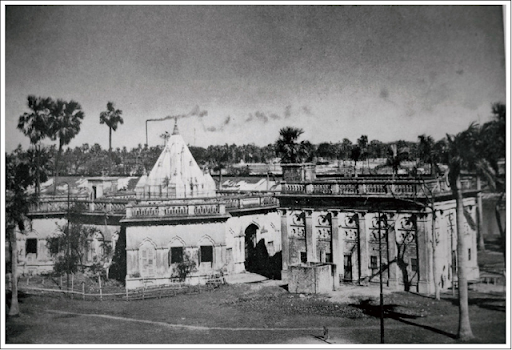
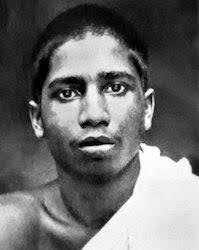
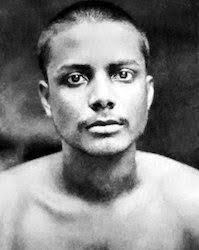
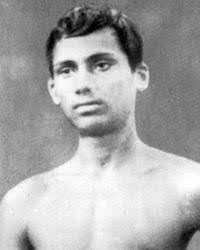
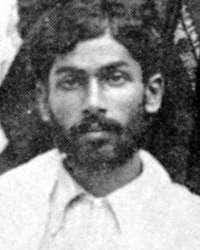
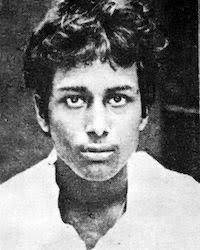
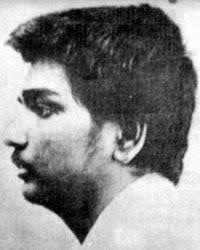
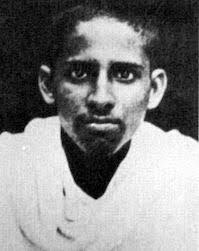
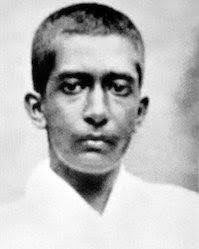
An old image of Murari Pukur Garden House at Maniktala, North Kolkata, which was the centre for revolutionary activism in Bengal
In 1908, the British colonial government launched one of the most systematic crackdowns on revolutionary nationalism in Bengal. Following the Mujaffarpur bombing (April 30, 1908), the Raj unleashed surveillance, arrests, deportations, censorship, and exemplary punishments designed to crush the growing armed nationalist movement.
1908: The Year of Repression — Bengal Under Siege
The British government arrested more than 40 revolutionaries in what became known as the Alipore Conspiracy Case.
Among those arrested:
Aurobindo Ghose
And, fourteen from Murari Pukur Garden House:
Barindra Kumar Ghose
Ullaskar Dutt
Indu Bhusan Roy
Nolini Kanta Gupta
Bibhuti Bhuson Sarkar
Bijoy Kumar Nag
Sachindra Kumar Sen
Upendra Nath Bannerjee
Narendra Nath Bakshi
Paresh Chandra Moulik
Kunjolal Saha
Sishir Kumar Ghose
Hemendra Ghosh
Purnachandra Sen
The Muraripukur Garden House at Maniktala locality in North Kolkata was the centre of revolutionary activities, was abandoned after these arrests. The court trial for the arrested revolutionaries lasted nearly a year and was one of the longest political trials in colonial India.
Charges included:
Waging war against the Crown
Manufacturing explosives
Conspiracy to murder
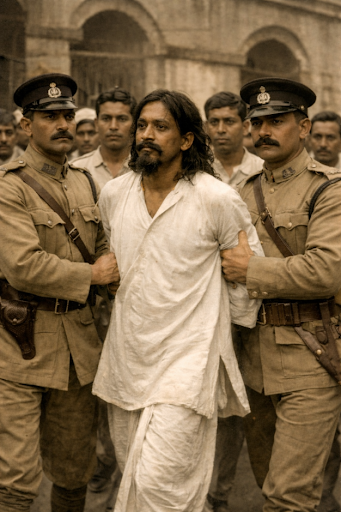
An AI generated image depicting Aurobindo Ghose getting arrested by the police in Kolkata
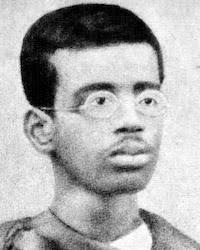
Upendranath Banerjee (1879-1950)
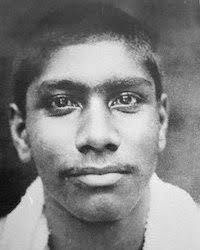
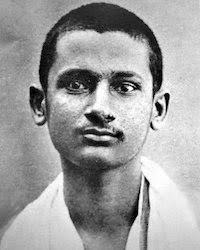
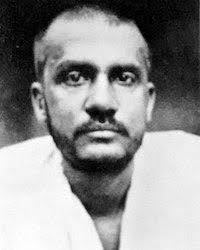
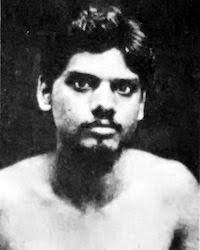
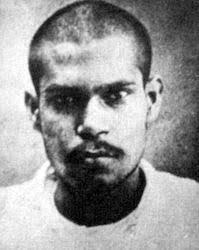
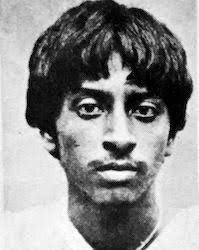
Banerjee was born and raised in Chandernagore in Bengal, after getting formal education, he studied Vedanta and practised Yoga. Upendranath also worked as assistant headmaster at a school for some time. Aroused by the Nationalist cause, he gave up his job in 1906 and joined the ‘Bande Mataram’ newspaper under Aurobindo Ghose as sub-editor. Banerjee also contributed for the revolutionary paper ‘Jugantar’through his writings. In 1907 Upendranath started educating the young revolutionaries who lived at Murari Pukur Garden House at Maniktala. In May 1908, Upendranath was arrested with other Maniktola revolutionaries in the Alipore Bomb Case. He was sentenced to transportation for life and shipped to the Andamans. Banerjee was later released in January 1920, at the end of the First World War. After returning to Bengal, he wrote a number of articles protesting the brutal treatment of the revolutionaries in the jail of Andaman.
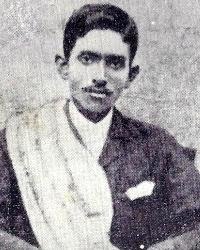
Bhattacharya was born in Arbellia in the then 24 Parganas District of Bengal. In 1901 he was admitted to the Metropolitan Institute, Calcutta. In 1902 he met Aurobindo and Barindra, became his first recruit. During the next few years Abinash was Barindra’s closest companion and assistant in revolutionary work, they recruited young men from the universities and youth clubs. Abinash also worked for the ‘Jugantar’ newspaper, Abinash published two books which captured the imagination of the youth of Bengal. The first, Mukti kon Pathe (Which Way to Liberation?), was a collection of inflammatory articles from Yugantar. The second, Bartaman Rananiti (Modern Science of War) was a small manual on military strategy and guerilla warfare. He was arrested with other revolutionaries in May 1908 and tried for conspiracy. His sentence of transportation for life was later commuted to seven years. Later in 1920 Abinash joined the Swarajya Party formed by Chittaranjan Das and edited the party’s news-paper, ‘Narayana’.
Bibhuti Bhusan Sarkar was born and raised in Shantipur, Bengal. He studied in Calcutta at the Bengal National College. At about the age of twenty, he joined the revolutionary group at the Murari Pukur Garden at Maniktala. Bibhuti Bhusan was arrested with other revolutionaries in May 1908 and found guilty of conspiracy; his sentence of transportation for life was reduced upon appeal to ten years. Shipped to the Andamans in December 1909, he was imprisoned there for eight years and served the remainder of his term in jails on the mainland. He was released in February 1920.
Roy was born and brought up in Khulna in Bengal (now in Bangladesh). Indu Bhushan joined the revolutionary group at Maniktala in February 1908 at the age of eighteen to free his motherland. In May 1908 he was arrested for conspiracy and tried in the Alipore Bomb Case. Indu Bhushan was sentenced to transportation for life, a term that was later reduced to ten years. He was shipped to the Andamans in December 1909. For three years he suffered the extreme hardship of forced labour in the Cellular Jail of the Andamans and his health conditions deteriorated. He repeatedly asked for medical help to the jail authorities but he was denied medical assistance, instead, he was assigned with the most difficult task to work at the oil mill of the jail. Indu Bhushan committed suicide and he was found dead on April 29, 1912. The news of his death erupted great anger amount the nationalist people in the mainland, which again showcased the brutalities of the British government towards the freedom fighters. This incident resulted in renewed determination of the nationalists to free the nation from foreign rule.
Sen was born in Sylhet in Bengal Presidency (now in Bangladesh) in a family of revolutionaries. He did his earlier education in Sylhet and in Shillong and later studied at the National College in Kolkata, where Aurobindo Ghose was the Principal. A true patriot Sushil joined the revolutionary movement and got arrested in 1908 in the Alipore Bomb Case along with his brothers Beren and Hem from their home village in Sylhet. When the police searched the house they found some homemade explosives. Sushil and Hem were acquitted due to lack of avidance. Sushil remained active in politics, but died tragically in a gunfight accident at the age of twenty-three. Biren was sentenced to transportation for life, but the sentence was reduced upon appeal to seven years. After his release, he went back to live in Sylhet. In the 1960s he came to Pondicherry and lived for several years in the Sri Aurobindo Ashram.
Gupta was a revolutionary, linguist, scholar, critic, poet, philosopher and yogi, was born in Faridpur, in Bengal (now Bangladesh). He was the most senior of Aurobindo Ghose’s disciples. While in his teens, he joined the revolutionary movement to fight for independence against the British rule. In May 1908 he was among those arrested for conspiracy in the Alipore Bomb Case. Acquitted a year later, after having spent a year in jail, he worked as a sub-editor for the Dharma and the Karmayogin, two of Aurobindo’s Nationalist newspapers. He was taught Greek, Latin, French and Italian by Aurobindo himself and was among the four disciples who were with Aurobindo in 1910 at Pondicherry. When the Sri Aurobindo Ashram was founded in 1926, he settled permanently in Pondicherry.
Sarkar was born in Faridpur in Bengal (now Bangladesh) in 1889 in an affluent family. At a very young age Sudhir decided to join the revolutionary movement under Aurobindo and Barindra Kumar Ghose. He was arrested by the police in the Alipore Bomb Case in May 1908. He was sentenced to transportation for life, after an appeal at the High Court, the sentence was reduced to seven years. Sudhir was famous among the revolutionaries for being very brave. Revolutionary Nolini Kanta Gupta once said him to be, “one of the bravest and most fearless sons of the motherland.” Sudhir passed away at the age of 85 years in the year 1974, he dedicated the last phase of his life at the Sri Aurobindo Ashram in Pondicherry.
Born in Rajshahi in Bengal (now in Bangladesh), joined the revolutionary movement under Aurobindo Ghose and was arrested in the Alipore Bomb Case. He was acquitted by the Sessions Court. Nag went to Pondicherry with Aurobindo for some years but when he was returning to Bengal in 1914 he was arrested in Madras and then sent to jail in Khulna, Bengal (now in Bangladesh). Nag was released after the end of First World War.
Kanjilal was born in Hooghly district in Bengal in 1879. He joined the revolutionary group at Murari Pukur Garden and was arrested in May 1908 from his home in the Alipore Bomb Case. He was sent to the Andamans for lifetime imprisonment but he was released in the year 1920.
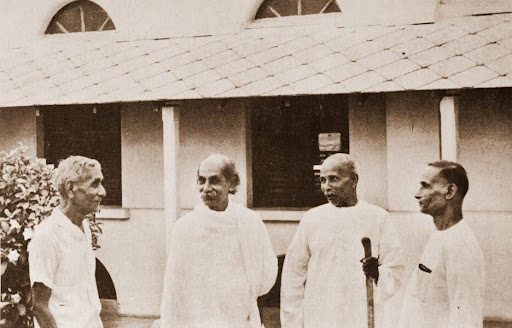
Four compatriots of the revolutionary era, a memorable meeting at Sri Aurobindo Ashram after independence From left to right Sudhir Kumar Sarkar, Nolini Kanta Gupta, Bibhuti Bhushan Sarkar, Biren Sen
The court proceedings started in the Sessions Court on October 19, 1908 and ended on April 13, 1909.
The court delivered its judgement on May 6, 1909.
Aurobindo Ghose and 16 others were acquitted.
Barindra and Ullaskar were sentenced to death.
10 of the accused were sentenced to transportation for life and 3 to transportation for 10 years.
3 accused were sentenced to rigorous imprisonment for 7 years and 1 accused for 1 year.
On appeal to the High Court, on August 23, 1909, Barindra and Ullaskar’s death sentence changed to transportation for life.
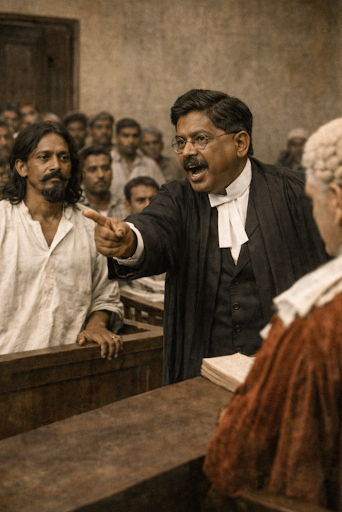
Young barrister & nationalist Chittaranjan Das advocated superbly in the court for the revolutionaries with his sharp legal arguments, emotions and great courage. His oratory immortalised the ‘Alipore Bomb Case’ in the history of India’s freedom struggle.
AI generating image depicting barrister Chittaranjan Das arguing for Aurobindo Ghose at the court
During the courtroom arguments Chittaranjan made a famous address for Aurobindo, he said, “I appeal to you, therefore, that a man like this stands not only before the bar in this Court, but stands before the bar of the High Court of History…Long after this controversy is hushed in silence, long after this turmoil and this agitation cease, long after he is dead and gone, he will be looked upon as the poet of patriotism, as the prophet of nationalism and lover of humanity. Long after he is dead and gone, his words will be echoed and re-echoed not only in India but across distant seas and lands.”
While delivering his address, Chittaranjan Das’s eyes moistened in emotions and the entire Court listening to it was spell-bound and there was pin-drop silence.
Revolutionary Justice Served
In an important development in the Alipore Bomb Case trails, one of the arrested revolutionaries, Narendranath Goswami turned into a State ‘approver’ and he betrayed his colleagues and his motherland. During the preliminary hearings in the Magistrate’s Court, Naren Goswami, who had turned State’s evidence in exchange for a full pardon, claimed in his testimony that Aurobindo Ghose was not only aware of several dacoities and bombings attempted by the Maniktolla Secret Society but had even helped in the planning. Naren also claimed that Aurobindo was the boro karta or Principal Leader of the Secret Society, and that his younger brother, Barin was only the chhoto karta or the Deputy.
The testimony in the Magistrate’s Court was a curious mixture of fact and falsehood. Still if it were to be admitted in the Sessions Court, it would be sufficiently incriminating to prove the Prosecution’s charges against Aurobindo Ghose. The legal consequences could be the worst possible.
The Alipore Jail authorities had shifted Narendra Goswami to the European Jail block, fearing retribution from his revolutionary associates. Young revolutionaries Kanailal Dutt and Satyen Bose as part of a plan were admitted as patients in the Jail Hospital. Satyen sent a message to Naren expressing his desire to also turn King’s evidence. Naren came to the Jail Hospital along with an escort. Naren, Satyen and Kanai went out to the Verandah to converse in private.
Suddenly, Satyen and Kanai took out revolvers, previously smuggled in for a planned Jail-break. Naren ran into the room followed by the revolutionaries. There was a scuffle and shots rang out. Nine bullets were fired in total. Naren ran out of the Hospital Gate with Kanai and Satyen in pursuit. Abruptly Naren spun around and fell down dying into the drain. A bullet from Kanai’s revolver had punctured his spine. Justice had been served on the traitor in true revolutionary style.
Kanailal Dutta (1888 – 1908)
Kanailala was born in Chandannagar in Bengal, (then French India) on August 30, 1888. He joined the revolutionary Jugantar Party. In the Alipore Bomb Case, Dutta was arrested on May 2, 1808 and was put in Alipore Jail with his other revolutionary associates. During the court proceedings one of their associates Narendranath Goswami became a British approver and he started taking names of the revolutionaries, disclosed plans, he also took the names of Aurobido Ghose and Subodh Narayan Mullick as the masterminds. Barindra Ghose made a plan to kill Goswami for betraying his colleagues and his motherland. Secretly revolvers were arranged and Kanailal and Satyendranath Bose were given the responsibility to kill Goswami. Both were successful in their operation and were sentenced to death. On November 10, 1908 Kanailal was hanged and the young fearless revolutionary achieved martyrdom fighting fior the freedom of his motherland.
Satyendra Nath Bose (1882-1908)
Bose was born in Midnapore, Bengal on July 30, 1882. At a very young age Satyendra Nath joined the freedom movement as a revolutionary under Aurobindo Ghose. He was a member of the secret group operating from Murai Pukur Garden House and was arrested with his other associates in May 1808 in the Alipore Bomb Case. In the Alipore Jail Bose along with Kanailal Dutta killed Narendranath Goswami, who became a British approver during the court trials and betrayed the movement. After Kanailal, Bose was also hanged on November 21, 1808 and sacrificed his life in the movement for liberating his motherland.
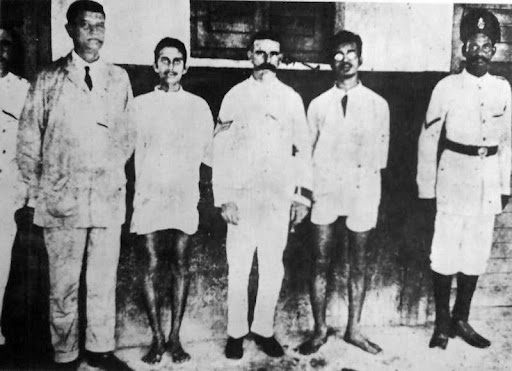
Satyendra Nath Bose and Kanailal Dutt (with spectacles) after shooting Naren Goswami in the Jail (From L to R)
Kanailal’s statement to the District Magistrate about his motive for assassinating Naren was touchingly direct and simple: “I wish to state that I did kill him. I do not wish to give any statement why I killed him. Wait, I do wish to give a reason. It was because he was a traitor to his country.”
The Alipore Jail Murder Case in which Kanailal and Satyendranath were tried for the killing of Narendranath Goswami lasted only 2 days. Kanailal was found guilty immediately. Satyen Bose was later found guilty by the High Court. Both men were sentenced to death by hanging.
On the day of Kanailal’s hanging, he walked hurriedly to the gallows and stood firm and erect as the noose was placed around his neck. A quiet smile remained on his lips. An Englishman who witnessed the hanging later asked Barin, “How many more do you have like him?”
Kanai’s body was taken for cremation to Kalighat. A procession of thousands of barefooted mourners singing patriotic songs escorted the body from the jail gate to the cremation ground. Many more had gathered there already to pay their final homage. After the body had been burned, ashes and bits of bone the relics of a martyr were distributed among the people.
The Government was surprise to see the spontaneous and unprecedented expression of public grief and did not want the occurrence repeated. Eleven days later when Satyendra Nath Bose was hanged, his body was cremated, by special order, within the jail compound. His ashes were not sent for immersion in the Ganges.
Government’s policy end revolutionary movement
After getting released from jail Aurobindo Ghosh left active politics and went to Pondicherry (then French India) in 1910 and started a life of spiritualism and yoga, became famous as Sri Aurobindo. The nationalist leaders of the Congress Party were expelled in 1907, Gangadhar Tilak was imprisoned for six years.
The Explosive Substances Act was passed in 1908. As per the act following act were categorised as serious offences:
Possession of bomb or bomb making materials
Aiding manufacturing of bombs
Collecting materials for manufacture of bombs
For any of these offences there was penalty of transportation for 14 years was prescribed.
For throwing a bomb (even if no life is lost) punishment ranged from jail for 7 years to transportation for 20 years.
Any kind of help provided in making bombs, such as donations, accommodations, etc. had similar punishments.
A new law was passed in 1908 to control the newspapers.
Under this law, the magistrate could decide that if any published news could incite any violence or murder, which could fall under the Explosive Substances Act, he could stop the publication of the newspaper and confiscate its press.
Publication of English paper “Bande Mataram” and Bengali papers “Sandhya” and “Jugantar” were stopped under this law.
The Indian Penal Code was amended, by denying certain rights of the accused during a trial.
Under the amended law the government was able to declare any society, association as illegal which in its view was prejudicial to the maintenance of law and order.
Due to this law many associations in Bengal had to close down.
On December 14, 1908, nine leaders from Bengal were arrested and kept in jail for 14 months without any trial, following are the leaders and the places where they were jailed:
Aswini Kumar Datta (Lucknow & Burma)
Manoranjan Guha Thakurata (Burma)
Krishna Kumar Mitra (Agra)
Raja Subodh Chandra Mulliuck (Lucknow & Faizabad)
Sachindraprasad Basu (Rawalpindi)
Pulinbehari Das (Montgomery, Punjab)
Bhupesh Chandra Nag (Fategarh, U.P)
Satish Chandra Chatterjee (Bassein)
Shyamsundar Chakravarty (Chunar & Burma)
By these measures the government was trying to block all the avenues for forming and expressing public opinion.
The only weapon ‘pen’ was taken away: control of the press
As a result of the Press Act in India, during the period 1909-1919, around 350 presses and 300 newspapers were punished. About Rs.6 Lakh was demanded as security deposits, 500 printed books were forfeited and 200 presses and 120 newspapers were closed down for failing to pay the security deposit.
Newspapers like Amrita Bazar Patrika, Basumati of Bengal, five English journals and four reputed journals of other provinces were punished under the act. However, newspapers managed by Englishmen were left untouched even though they published hateful articles against Indians. Editors of newspapers like Bande Mataram and Jugantar were punished for sedition for writing articles.
Heavy punishments were inflicted in number of cases for writing articles, terming them as seditious. The numbers of cases were so much that even Secretary of State for India in London, John Morley expressed displeasure over it. Nationalist leader Tilak was also kept in jail for allegedly writing seditious writings, there were agitations in Bengal, Bombay and in rest of India in protest. In Kolkata, students stayed from attending classed, many mills in Bombay were closed in protest, and there were instances of clashes with the police.
Withdrawal of Partition of Bengal
In 1910 Lord Hardinge set his foot in India as the Viceroy and declared that the royal couple would be visiting India in 1911. Studying the situation in Bengal the new Viceroy was convinces that the people were really aggrieved over the partition of Bengal. He was of the opinion that the situation could be normalised if the matter is set right. Moreover, Kolkata being the capital of India, Hardinge found the Bengali people exert good deal of influence in Indian political thinking.
On June 17, 1911 John Jenkins, Home Member of Viceroy’s Executive Council made a proposal for annulment of the partition and shifting of India’s capital from Kolkata to Delhi. And, the changes to be proclaimed by the Emperor at the Delhi Durbar to be held.
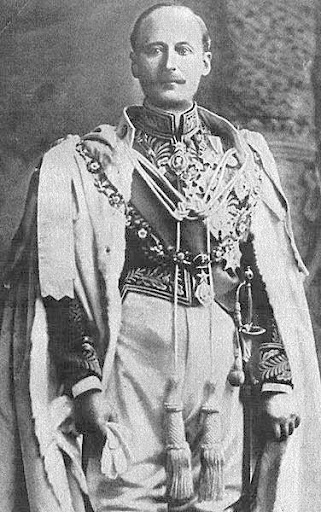
Lord Hardinge, was Viceroy of India from 1910 to 1916
(this image is in public domain, collected from Wikipedia)
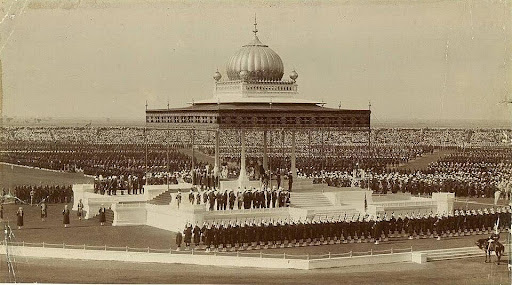
The Viceroy was in favour of the two proposals and he included two more proposals in his confidential minute. One, Bihar and Orissa (now Odisha) to be re-constituted as a separate province and Assam to be back in a status of a separate province. On November 10, 1911, these proposals got the approval by the British cabinet. Finally, on December 12, 1911 from the Delhi Durbar, the British Monarch and the Emperor of India King George V declared these big changes.
Image of Delhi Durbar of 1911, was the imperial mass assembly organized by the British Raj at Coronation Park, Delhi, to mark the accession of an Emperor or Empress of India
(this image is in public domain, collected from Wikipedia)
After the annulment of the partition, Hardinge had hoped that there would an end of the armed rebellion but the revolution gradually increased in Bengal and then got spread to other parts of India, even the Viceroy himself became a target of the Bengal revolutionaries. The only aim was complete independence of the motherland.