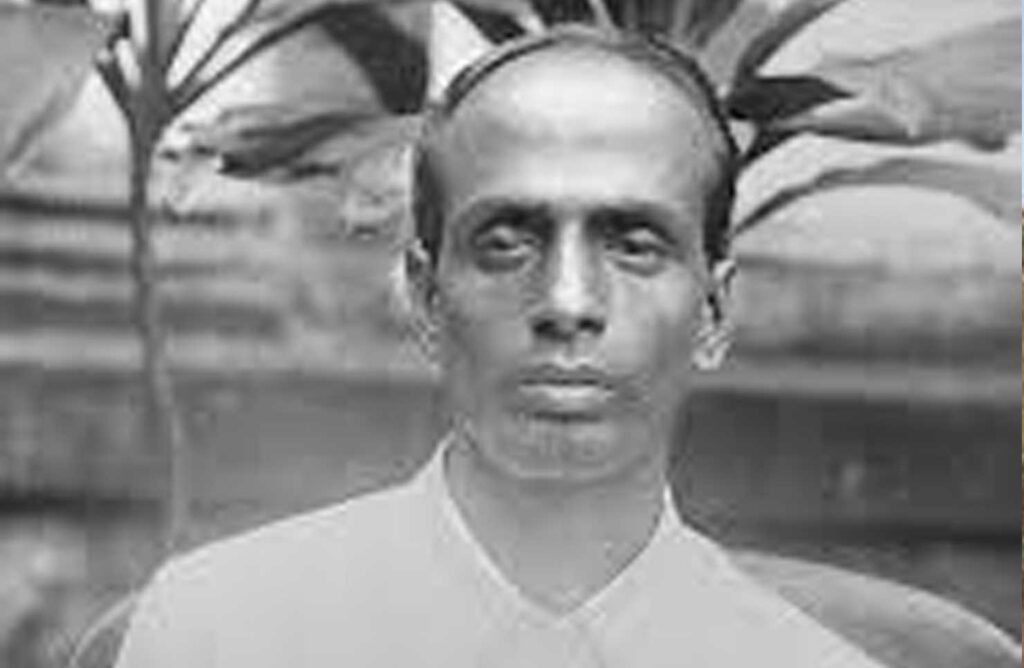
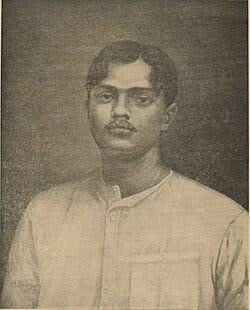
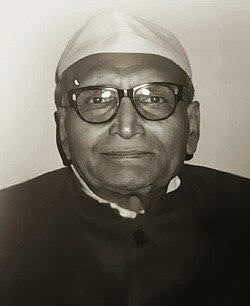
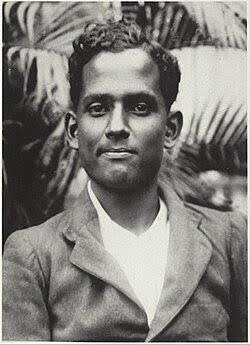
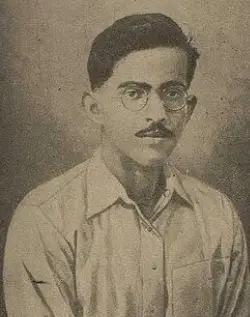
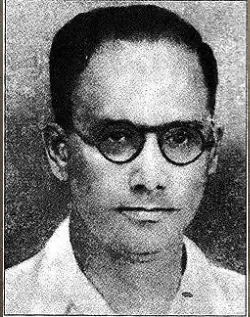
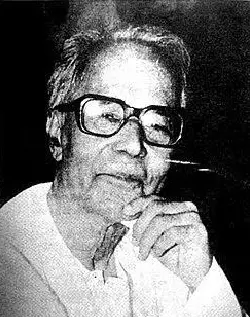
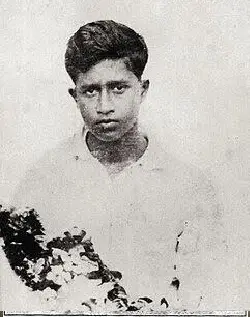
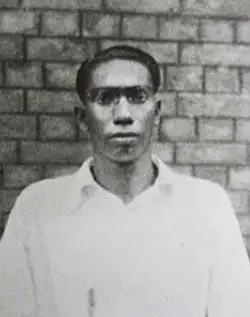
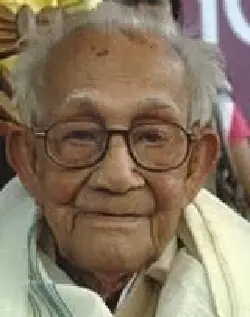
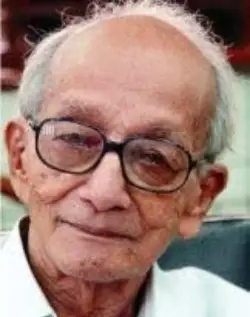
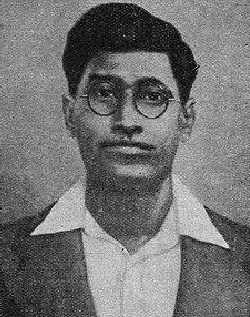
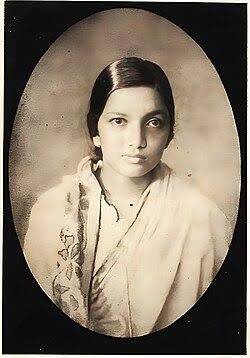
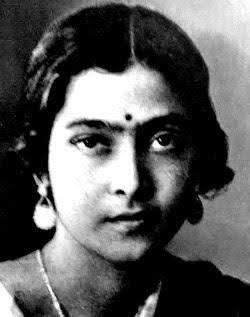
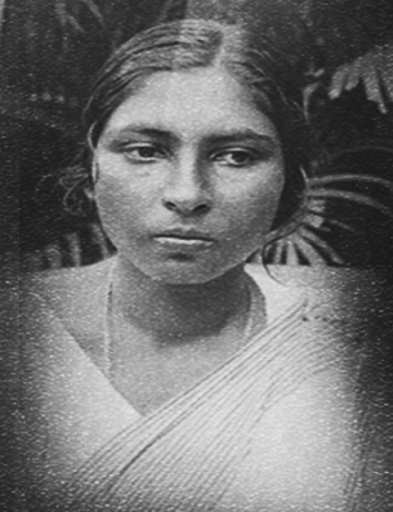
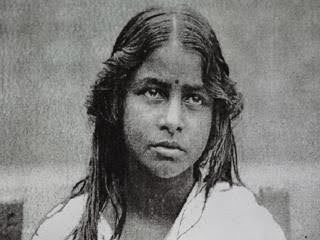
Great Revolutionary Freedom Fighter Surya Sen (Masterda)
In 1925 the police discovered two bomb manufacturing hubs of the revolutionaries in Kolkata. One in Dakshineswar area, where a two storied building was raided and large quantities of bomb making materials, revolvers were found. Another location was at Sovabazar where Masterda or revolutionary Sunya Sen from Chittagong was staying and somehow he got the information about the raid and escaped. Later in 1930, Surya Sen organized such a massive revolutionary attack on the colonial government in Chittagong, which made one of the most celebrated heroes of Indian freedom struggle.
Inquilab Zindabad
By late 1920’s Bengal revolutionaries were becoming experts in bomb making and they were spreading this knowledge to their revolutionary associates in other parts of India too. On April 8, 1929, young revolutionary from Punjab Bhagat Singh and Bengal’s Batukeswar Dutta threw two bombs at the national assembly. They ensured that nobody was injured and voluntarily surrendered, to make a loud statement that this assembly and the government is doing nothing but harming the interests of the people of India.
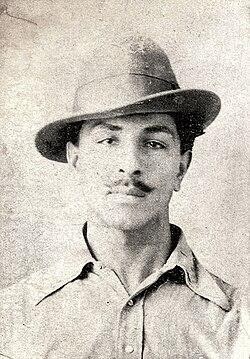
Shaheed Bhagat Singh (1907-1931)
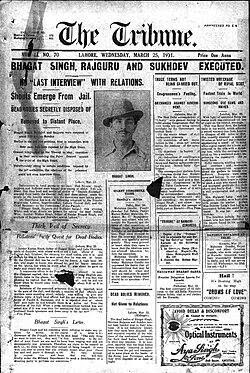
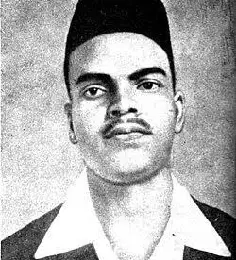
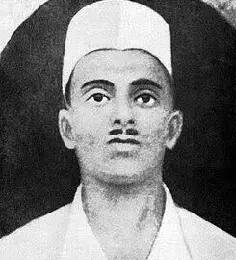
Bhagat Singh was one of the most iconic personalities of India’s freedom struggle, he was also a writer, a philosopher. Singh was born on September 27, 1907, in the village of Banga, in Punjab (now in Pakistan). He joined the anti-British protests at an early age and was a member of the Hindustan Republican Association formed by the Bengali revolutionary leader Sachindranath Sanyal and Ram Prasad Bismil of present day Uttar Pradesh, which later became Hindustan Socialist Republican Association. Bhagat Singh planned to avenge the death of nationalist leader Lala Lajpat Rai, who died on November 17, 1928 due to a lathi charge ordered by S.P James A. Scott on peaceful protesters protesting against the Simon Commission. But Singh along with his revolutionary associates Shivaram Rajguru, Sukhdev Thapar, and Chandrashekhar Azad by mistake killed A.S.P John P. Saunders. After the bombing at the national assembly by Singh and Batukeswar, as both surrendered, they were given life imprisonment at the Andamans. However, Singh’s other associates Rajguru and Sukhdev got arrested and ultimately the brave revolutionaries Singh, Rajguru and Sukhdev were executed in Lahore Jail on March 23, 1931 for the killing of the A.S.P. This case was widely discussed in all quarters in India and also in Britain and Indians once again got united to salute the bravery of these heros to liberate India
The Tribune reports about Bhagat Singh, Rajguru & Sukhdev’s execution
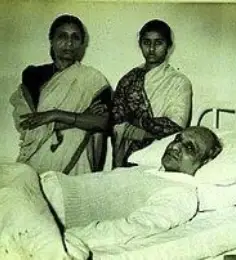
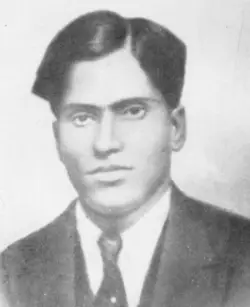
Dutta was born on November 18, 1910 in Onari, Khandaghosh village in Bengal. He was close associate of Bhagat Singh and Chandra Shekhar Azad, a member of the Hindustan Republical Association and an expert in bomb making. He was transported to the Andamans after the famous bombing at the national assembly. During their trial, both Dutta and Singh displayed great courage and dignity. They refused to recognize the authority of the court and used the trial as a platform to propagate their revolutionary ideals.They also initiated a historic hunger strike to protest against the abusive treatment of Indian political prisoners. After his release from prison, Dutta contracted tuberculosis. He participated in the Quit India Movement and was again jailed for four years. He was released after independence of India and had to struggle a lot for earning his living. After his death on July 20, 1965, as per the brave revolutionary’s wish he was cremated at the exact place where his associates Bhagat Singh, Rajguru & Sukhdev were cremated
Batukeswar Dutta (1910 – 1965)
Dutta on his death bed in 1965 (his wife Anjali and daughter, Bharati are standing beside)
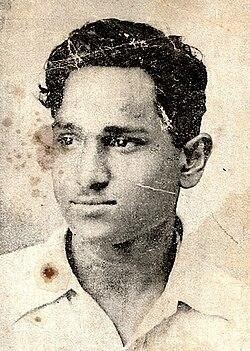
Martyr Shivaram Rajguru (1908 – 1931)
Martyr Sukhdev Thapar (1907 – 1931)
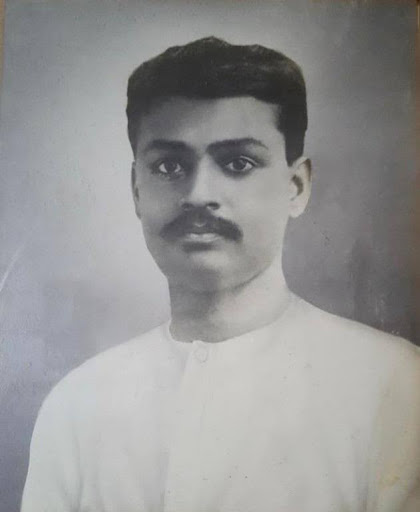
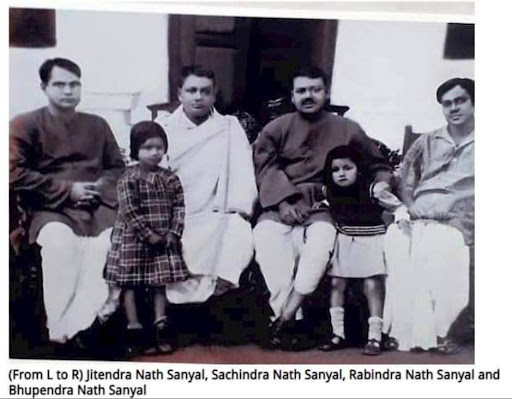
Sachindra Nath Sanlay (1893-1942)
(image collected from Col. Sourabh Sanyal, grandson of Sachindra Nath Sanyal)
The Bengali revolutionary from Benaras…Sachindra Nath Sanyal
Sachindra Nath Sanyal was born on June 3, 1893 in a famous Bengali family of Benaras. His family originally from Bengal and settled in Benaras. Sanyal was an eminent freedom fighter and a revolutionary leader. He was the principal founding member of the Hindustan Republican Association (HRA), which later became Hindustan Socialist Republican Association (HSRA). He became active in the Anushilan Samiti and formed the Bihar Anushilan Samiti, Sanyal was a close associate of Rash Behari Bose and played a key role in the 1915 Ghadar Conspiracy and he mentored revolutionaries like Bhagat Singh and Chandra Shekhar Azad. Sachindranath was twice sentenced to the Cellular Jailin the Andamans for his anti-British acts and his ancestral family home in Benaras was confiscated.
In 1922, Sanyal, revolutionary Ram Prasad Bismil and some other revolutionaries founded the Hindustan Republican Association in October 1924. He was the author of the HRA manifesto, titled The Revolutionary, that was distributed in large cities of North India on January 1, 1925. Sanyal was jailed for his involvement in the Kakori conspiracy Case but was released in August 1937. Thus, Sanyal contracted tuberculosis being in Cellular Jail and was sent to Gorakhpur Jail for his final months and the great revolutionary died on February 7, 1942.
(image collected from Col. Sourabh Sanyal, grandson of Sachindra Nath Sanyal)
The Kakori Conspiracy was a daring train robbery carried out on August 9, 1925 at Kakori, a village near Lucknow, during India’s struggle for independence against British rule. It was orchestrated by revolutionaries of the Hindustan Republican Association (HRA). The operation was conceived by Ram Prasad Bismil and Ashfaqullah Khan, both prominent members of the HRA, which later evolved into the Hindustan Socialist Republican Association. The HRA aimed to overthrow British rule through organized revolutionary activities and establish an independent nation.
Facing acute financial constraints for procuring arms and sustaining their movement, Sachindra Nath Sanyal, Bismil and his associates devised a plan to loot government funds being transported by train along the Saharanpur–Lucknow railway line. The action was executed with precision by a group of committed revolutionaries, including Rajendra Lahiri, Chandra Shekhar Azad, Sachindra Bakshi, Keshab Chakravarty, Manmathnath Gupta, Mukundi Lal, Murari Lal Khanna, and Banwari Lal.
The Kakori train action stands as one of the most significant revolutionary episodes of the Indian freedom movement, symbolizing courage, sacrifice, and a determined challenge to colonial authority.
Forty people were arrested from all over India including Bismil and Sanyal. Sachindranath Sanyal, Rajendra Lahiri, and Jogesh Chandra Chatterjee had been arrested in Bengal. Lahiri was prosecuted in the Dakshineshwar bombing case, while Ashfaqullah Khan and Sachindranath Bakshi were arrested later when the main Kakori Conspiracy case was over, a supplementary case was filed against these two and they were prosecuted in the same manner. Chandrashekhar Azad, along with Keshab Chakravarty and Murari Lal Gupta were the only participants not to have been arrested.
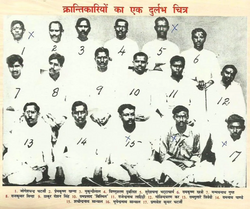
Kakori convicts group photo
The punishments were given as follows:
Death sentence: Ram Prasad Bismil, Roshan Singh, Rajendra Nath Lahiri and Ashfaqullah Khan
Deportation to Kala Pani (Cellular Jail): Sachindranath Sanyal, Sachindranath Bakshi, Govind Charan Kar, Jogesh Chandra Chatterjee and Mukundi Lal
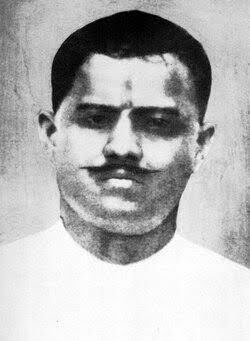
Bismil was a poet, writer and a revolutionary who fought against British Raj. He was born on June 11, 1897 in Shahjahanpur in present day Uttar Pradesh. The great revolutionary was executed in the Kakory case on December 19, 1927 at the age of 30 in Gorakhpur.
Ashfaqulla Khan (1900 – 1927)
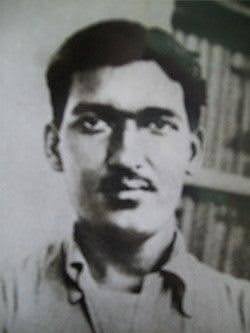
Khan was born in the Shahjahanpur district of present day Uttar Pradesh. He was a close associate of Ram Prasad Bismil and a member of the HRA. The brave revolutionary was executed on December 19, 1927 at the age of 27
Rajendra Nath Lahiri (1901 — 1927)
Rajendra Lahiri was born on June 29, 1901 in the village of Lahiri Mohanpur in of Pabna District, Bengal (present day Bangladesh). Lahiri took part in the Dakshineswar bombing incident and absconded. He went to Benares and started studying. He was a M.A. student in Department of History, Banaras Hindu University when the revolutionary activities started in United Provinces (now Uttar Pradesh). He joined the Hindustan Republican Association along with some of his Bengali friends. Lahiri was executed in the Kakory Case on December 17, 1927 at an age of 26.
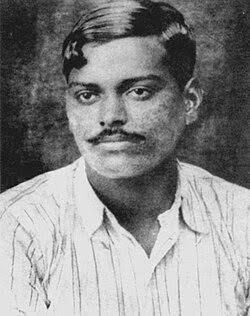
Chandra Shekhar Sitaram Tiwari (1906 – 1931)
Popularly known as Chandra Shekhar Azad was born on July 23, 1906 in in the then princely state of Alirajpur. Azad.was an Indian revolutionary and close associate of Bhagat Singh, Bismil & Sanyal. After the murder of A.S.P Saunder, police was looking for Azad. On February 27, 1931 Azad was martyred in a gun fight with the police in Prayagraj
Manmath Nath Gupta (1908 – 2000)
The Bengali revolutionary was born on February 7, 1908 in Benaras, his family was originally from Hooghly district of Bengal and his grandfather settled in Benaras. He joined the Indian independence movement at the age of 13 and was an active member of the Hindustan Republican Association. He participated in the famous Kakori Case in 1925 and was imprisoned for 14 years. On release from jail in 1937, he started writing against the British government. He was sentenced again in 1939 and was released in 1946 just a year before India’s independence in 1947
Resilience of 63 days shocked India
Jatindra Nath Das, also known as Jatin Das, a brave revolutionary freedom fighter who sacrificed his life in Lahore jail after a continuous hunger strike for 63 days and it shocked the whole nation and the empire.
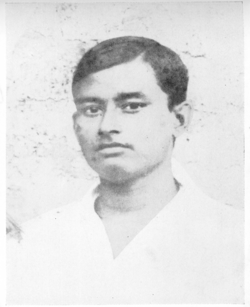
Jatindra Das was born in October 27, 1904 in Kolkata. He had joined the Anushilan Samiti, a revolutionary at a very early age. In November 1925, while studying for a B.A. at Vidyasagar College in Kolkata, Jatin was arrested for his political activities and was imprisoned at the Mymensingh Central Jail. While being interned there, he went on a hunger strike to protest the ill-treatment meted out to the political prisoners. After fasting for twenty days, the Jail Superintendent apologised and he gave up the fast.
Jatindra Nath Das (1904 – 1929)
On 14 June 1929 he was arrested for revolutionary activities and was imprisoned in Lahore jail to be tried under the supplementary Lahore Conspiracy Case with Bhagat Singh and others. In the Lahore jail, Jatin Das started a hunger strike along with other revolutionary freedom fighters, demanding legitimate rights for political prisoners, as the condition of Indian inhabitants of the jails were deplorable. The uniforms of the Indian prisoners were not washed for several days, and rats and cockroaches roamed the kitchen area making the food unsafe to eat, prisoners were not provided with any reading material such as newspapers, nor paper to write on. In contrast, the condition of the British prisoners in the same jail was strikingly different.
The memorable hunger strike started on June 15, 1929, which lasted 63 days. The jail authority took many measures to forcibly feed Jatin Das but they were not successful. The jail committee recommended his unconditional release, but the government rejected the suggestion and offered to release him on bail. Meanwhile Bhagat Singh continued his hunger strike for long, and when he suspended his hunger strike, it was 116th day since 15 June 1929.
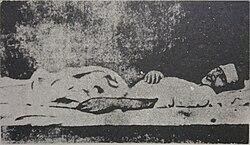
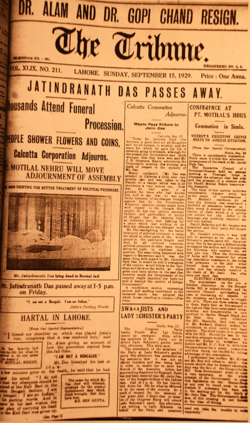
Brave Jatin Das died on September 13, 1929, after his unbroken hunger strike for 63 days. Jatin’s resilience, determination and sacrifice started to get discussed in every corner of the country and shocked the British empire. Revolutionary Durgawati Devi led the funeral procession, which went from Lahore to Kolkata by train. Sardar Kishan Singh, Bhagat Singh’s father and Kiron Das, Jatin Das’s younger brother accompanied the coffin. Thousands of people rushed to the railway stations to pay homage to Das. Subhash Chandra Bose (along with Smt. Basanti Devi -widow of Chitta Ranjan Das, Mrs. Kamla Nehru, Dr B.C. Roy, Shayama Prasad Mukerji and Maulvi Shamasuddin) received the coffin of Das at Howrah railway station. Subhas Chandra Bose led the procession in Kolkata carried the coffin to the cremation ground.
Das on his death bed in 1929
Subhas Chandra Bose termed Jatin Das as the “Dadhichi of modern India”, as Dadhichi was the mythological sage who sacrificed his life for the sake of killing a demon.
In honour of Jatin Das Gurudev Rabindranath Tagore wrote:
“All meanness is devoured by the fire of your anger—
O God, give us strength, have mercy on your devotees.
Sweep away, Almighty, what is false and petty—
May death be dwarfed by the ecstasy of life.
By churning the depths of suffering will be found immortality,
Those who fear death will be freed of their terror.
Your resplendent scorching power will melt and let flow
Freed of the chain of stones, a stream of sacrifice”
The Tribune writes about Jatin Das’s death
OPERATION FREEDOM
The Bengal Volunteers, formed by Subhas Chandra Bose, during the 1928 Kolkata session of the Indian National Congress was led by Major Satya Gupta who continued its activities. ‘Operation Freedom’ launched in 1930 in protest against police repression in different jails in Bengal. In August 1930, the group planned to execute Lowman, the Police Inspector General and the young medical student Benoy Krishna Basu took the responsibility and shot him, at the Medical School Hospital in Dhaka, Basu escaped to Kolkata soon after.
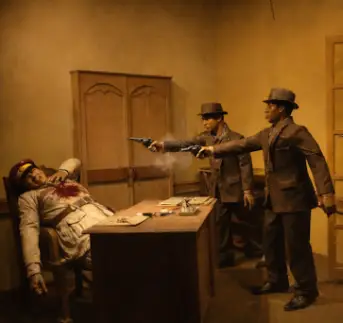
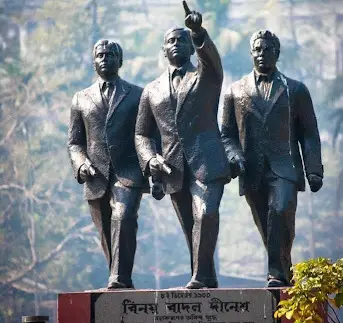
The Bengal Volunteers decided to kill N S Simpson, the infamous Inspector General of Prison in Kolkata, notorious not launching inhuman torture on the political Bengali prisoners, both men and women. The aim was to strike into the heart of the Raj’s official circles, at his office at the Writers’ Building, the Secretariat in Kolkata. This all important task was given to brave young comrades Benoy, Badal Gupta and Dinesh Gupta, who knew that they had to sacrifice their lives while executing this plan, as there would be no scope at all to escape the highly guarded Secretariat building at the heart of Kolkata.
As per the plan, the three young men dressed in European attire entered the Writers’ building and at Simpson’s cabin and Col N S Simpson was killed by the sudden attacked launched at him from revolvers of the three fearless revolutionaries. Soon, police surrounded them but the fight continued between the revolutionaries and the heavily armed police men. British officers like Twynam, Prentice and Nelson suffered grievous injuries during the shooting. This fight is famously known as “Battle of the Veranda”.
Although the police managed to overpower the trio, the men refused to surrender. Badal Gupta immediately ingested Potassium Cyanide, while Benoy and Dinesh shot themselves point blank with their firearms. Benoy breathed his last in a hospital on December 13, 1930. Of the three brave hearts, only Dinesh survived. Convicted, he was sentenced to death by hanging for anti-government activities and murder. He was martyred on 7th July 1931, at the Alipore Jail, aged 19.
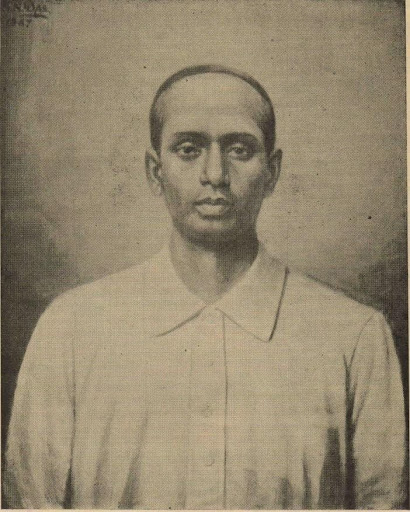
Benoy Krishna Basu (1908 – 1930)
Basu was born on 11th September 1908, in the village of Rohitbhog in Munshiganj district, now in Bangladesh. After passing the matriculation exam, he enrolled in the Mitford Medical School. Influenced by Hemachandra Ghosh, Benoy joined the ‘Mukti Sangha’, a secret society connected to the revolutionary Jugantar party
Badal Gupta (1912 – 1930)
Born as Sudhir Gupta in Dhaka’s Bikrampur region, Badal Gupta was inspired by Nikunja Sen, who taught at the Banaripara School at Bikrampur. He joined the Bengal Volunteers as a member and found his calling in revolutionary activities. Badal was influenced by the revolutionary activities of his two paternal uncles, Late Dharani Nath Gupta, and Nagendra Nath Gupta, both involved in the Alipore Bomb Case, and imprisoned along with Rishi Aurobindo Ghosh
Dinesh Chandra Gupta (1911 – 1931)
Gupta was born on December 6, 1911, in the tiny village of Josholong in Munshiganj district, now in Bangladesh. While studying at the Dhaka College, he joined the Bengal Volunteers
Satya Gupta (1902 ― 1968)
Satya Gupta was born on 18 July 1902 in Tejgaon, Dhaka district, in British India (present-day Bangladesh). From an early stage, he was associated with the secret revolutionary organisation founded by the prominent revolutionary Hemchandra Ghosh, known as the Mukti Sangha (Gupta Samiti). In 1926, he completed his M.A. degree from the University of Dhaka. In 1927, following instructions from the revolutionary network, he moved to Kolkata, where he came into contact with Subhas Chandra Bose and Sarat Chandra Bose. In 1928, during the Kolkata session of the Indian National Congress, a group of nationalist youth committed to independence formed the Bengal Volunteers (B.V.). Satya Gupta assumed overall leadership of the organisation, holding the rank of “Major.”
An AI generated image depicting Benoy-Badal-Dinesh killing Simpson
The statue of Benoy, Badal & Dinesh at the Benoy-Badal-Dinesh Bag (earlier known as Dalhousie Square) in Kolkata near the Writers’ Building
The Chittagong Uprising
The famous uprising in Chittagong, was an attempt by armed revolutionaries of Chittagong (or Chattogram, now in Bangladesh) led by Surya Sen on 18 April 1930 to raid the Chittagong armoury of police and auxiliary forces in the Bengal. The raiders were members of the revolutionary Indian Republican Army, which advocated for armed uprisings to free India from British colonial rule. They were inspired by the 1916 Easter Rising in Ireland.
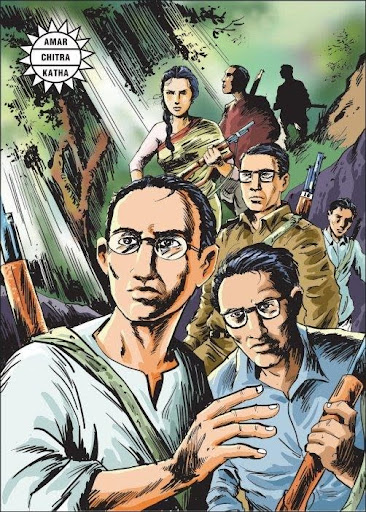
This image is the Amar Chitra Katha issue on Surya Sen
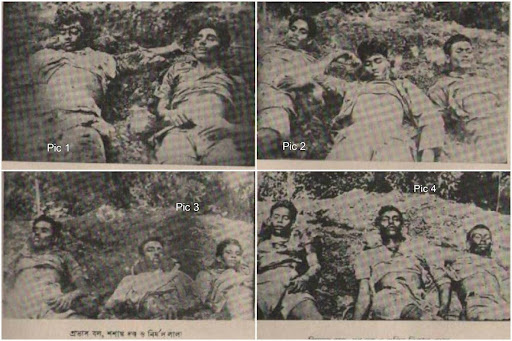
Images of the bodies of the brave young revolutionaries who lost their lives at the Jalalabad Hill Pic 1: TEGRA & MOTI KANUNGO Pic 2: NARESH ROY, TRIPURA SEN & BIDHU BHATTACHARJEE Pic 3: PROBHAS BOL, SASHANKA DUTTA & NIRMAL LALA Pic 4: JITENDRA DASGUPTA, MADHUSUDAN DUTTA & PULIN BIKASH GHOSH
SuryaSen (a school master & known as Masterda) devised a plan of capturing the two main armouries and for he had to cut Chittagong off from Kolkata by destroying the telegraph and telephone office, and to keep members of the European Club as hostages, so that the British administration could not send immediate help to Chittagong.
Plans devised to loot Imperial banks in Chittagong in order to raise funds for future uprisings, and various imprisoned revolutionaries were to be released.
As per the plan on April 18, 1930, a group of revolutionaries led by Ganesh Ghosh captured the police armoury in Dampara’s Police Line, while another group of ten men led by Lokenath Bal took the Auxiliary Forces armoury (now the old Circuit House).
A total of 65 people were involved in the raid, which was carried out in the name of the Indian Republican Army, Chittagong Branch. They were unsuccessful in their search for ammunition, but they were successful in cutting telephone and telegraph wires and disrupting train movements.
After the raids, the revolutionaries gathered outside the police armoury, where Sen took a military salute, hoisted a national flag, and proclaimed a Provisional Revolutionary Government. The revolutionaries left Chittagong town before dawn and marched towards the Chittagong hill ranges, looking for a safe place to hide.
The police tracked down some of the revolutionaries after a few days. On the afternoon of April 22, 1930, revolutionaries were surrounded by thousands of troops as they sought refuge in the Jalalabad hills near Chittagong.
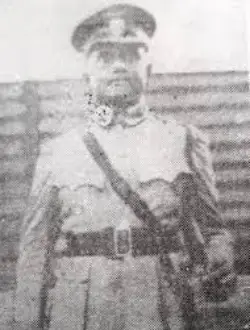
A few months later, Police Commissioner Charles Tegart surrounded their hideout, and Jiban Ghoshal was killed in the resulting fire fight.
Debi Prasad Gupta and other revolutionaries led by Pritilata Waddedar attacked the Pahartali European Club on September 24, 1932, killing one woman and injuring several police officers. The plan, however, was not entirely successful. After the attack, the revolutionaries fled, but Pritilata, who had been wounded, took cyanide to avoid being arrested and killed herself.
Despite a massive man-hunt, Surya Sen avoided capture for nearly three years by constantly moving from place to place in disguise. He became immensely popular in the region and received massive support from the local population, mostly poor Muslim peasants. Sen avoided arrest until February 1933, when a relative betrayed him to the police.
Tarakeswar Dastidar, the new president of the Chittagong Branch Jugantar Party, made a preparation to rescue Masterda from the Chittagong Jail. But the plot was unearthed and consequently Tarakeswar and Kalpana along with others were arrested. Special tribunals tried Surya Sen, Tarakeswar Dastidar, and Kalpana Datta in 1933.
Surya Sen along with his comrade Tarekeshwar Dastidar was hanged by the British rulers on January 12, 1934. Just before his hanging on January 12, 1934, at Chittagong Jail, the British authorities inflicted extreme, calculated brutalities upon Masterda Surya Sen to break his spirit, though they failed to do so.
The brave, charismatic soul… Surya Sen
On January 12, 1934, the British officials entered the cell of their captured revolutionary and brutally tortured him by breaking all his teeth, limbs, and joints with a hammer. The torture was so cruel and painful that the revolutionary couldn’t even scream. Then he was hanged unconsciously and later his dead body was put in a metallic cage and was thrown into the sea. What was such fear in minds of British that they had to brutally hang a revolutionary? He was none other than Masterda Surya Sen, the fearless revolutionary who shook the British Empire by simultaneously attacking British cantonment, European club, Telegraph office, railway line and armoury in Chittagong. Through this revolt, Surya Sen had created a strong awakening in minds of Indians to lift up weapons against the colonial, oppressor.
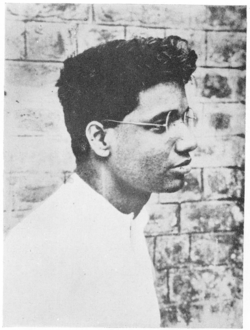
Masterda Surya Sen
Sen was born on March 22, 1894 in Noapara in Chittagong, Bengal (present day Bangladesh). Surya Sen was initiated into revolutionary ideas in 1916 by one of his teachers while he was a student of Intermediate Class in the Chittagong College and joined the renowned revolutionary group Anushilan Samiti, however, when he went to Behrampur College for BA course, he came to know about a sister revolutionary organization, Jugantar and became more inspired with their ideas. On his return to Chittagong in 1918, he organized Jugantar there. Consequently in 1929, Surya Sen became the president of the Chittagong district committee of the Indian National Congress. He continued to organize the hard-line patriotic organizations and first became a teacher of the National school in Nandan-Kanan and then joined the Umatara School at Chandanpura. Hence, he was known as Mastarda (teacher and elderly brother).
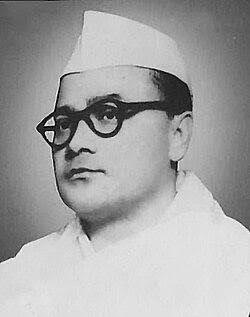
Masterda Surya Sen (1894-1934)
One of his early successful undertakings was a broad day robbery at the treasury office of the Assam-Bengal Railway at Chittagong on December 23, 1923.Arrested and imprisoned for two years, from 1926 to 1928, for revolutionary activities, he continued to work in the Congress. In 1929, Arrested and imprisoned for two years, from 1926 to 1928, for revolutionary activities, he continued to work in the Congress. In 1929, Masterda was a Secretary and five of his associates were members of the Chittagong District Congress Committee. Masterda was a brilliant and inspiring organizer, was an unpretentious, soft-spoken and transparently sincere person.
Masterda formed the ‘Indian Republican Army in 1930 and his plan was supported by his fellow colleagues – Ganesh Ghosh, Ambika Chakravarti, Anant Singh, Lokenath Bal,Nirmal Sen and prominent women revolutionaries like Kalpana Dutta and Pritilata Waddedar. With help of bunch of teenagers, Surya Sen devised a strategy to raid the British armoury, cantonment, telegraph office, railway line and European club on the same day – 18 April 1930.
A day before the great soul’s execution, he wrote his life’s last letter to his comrade Arindam Ray on January 11, 1934 and that letter will remain cherished in history as the most powerful testimony of the excellence of his courage.
“Death is knocking at my door. My mind is flying away towards infinity. This is the moment to myself to embrace death as the dearest of friends. In this happy, sacred and crucial moment, what am I leaving for you all? Only one thing, my dream, a golden dream, the dream of a Free India. Dear comrades, march ahead; never retrace your step. Days of servitude are receding. Freedom’s illuminating ray is visible over there. Arise and never give way to despair. Success is sure to come.” – Masterda Surya Sen
Lokenath Bal (1908 – 1964)
Lokenath Bal was born in Dhorla village of Chittagong District in Bengal (present day Bangladesh). On 18 April 1930, a group of revolutionaries led by him took over the AFI armoury, under the leadership of Surya Sen. Later, on 22 April 1930, he led another gunfight against the combined forces of the British army and the British police, his younger brother Harigopal Bal (Tegra) and another 11 revolutionaries died in this gunfight. He was able to escape and reach Chandernagore, a French territory.He and Ganesh Ghosh were arrested on September 1, 1930 after a gunfight with the British police. Jiban Ghoshal, alias Makhan, his young associate died in this gunfight. Lokenath was sentenced to transportation for life on March 1, 1932 and sent to the Cellular Jail, he was released in 1946
Jiban Ghoshal alias Makhanlal (1912 — 1930)
Ghoshal was born in Sadarghat, Chittagong in Bengal (present day Bangladesh). He joined Surya Sen as a young student and took part in the Chittagong Armoury Raid in 1930. Jiban along with other revolutionary associates were in Chandannagar in a safe house but on September 1, 1930, their shelter was raided by Police commissioner Charles Tegart with a large force and in a gun battle then Jiban was shot by the police and he died
Ambika Chakrabarty (1892 – 1962)
Chakrabarty was born in Chittagong, he was a member of the Chittagong Jugantar Party, he participated in Chittagong Armoury Raid and was injured in the Jalaladad Hill fight. Later he was arrested and sent to the Andamans and was released in 1946
Ganesh Ghosh (1900 – 1994)
Ganesh Ghosh was born in Chittagong, now in Bangladesh. He took part in the famous Chittagong Armory Raid and was later arrested. Ghosh was sent to the Andamans in 1932 and was released in 1946
Harigopal Bal (1915 – 1930)
Harigopal Bal, popularly called as Tegra was born in Chittagong and he took part in Chittagong Armoury Raid along with his brother Lokenath Bal. Tegra was injured in the famous Jalalabad hill fight with the heavily armed British troops and he died after four days, on April 22, 1930. His last words were “Shona bhai, chollam. Tomra larai chaliye jao.” which means “Good bye, dear brother. Let our struggle continue”.
Ananta Lal Singh (1903 -1979)
Singh was born in Chittagong & he was one of the leaders of the Chittagong armoury raid in 1930, he was arrested and was deported to Cellular Jain in the Andamans in 1932. Later Sing was shifted to the mainland and was released in 1946
Binod Bihari Chowdhury (1911 – 2013)
Born in 1911, in Chittagong, Binod Bihari took part Chittagong armoury raid. He was arrested by the British police and was sent to was deported to the Duly Detention Camp in Rajputana (now Rajasthan). After his release he joined active politics in Chittagong in 1939
Subodh Roy (1915 – 2006)
Subodh Roy was born in 1915 Chittagong and at the age of 14, he was the youngest participant in the Chittagong armoury raid in 1930 under the leadership of the revolutionary leader Surya Sen (Masterda). Subodh Roy was deported to the Cellular Jail in Port Blair in 1934. He was released in 1940 and he settled in Kolkata after independence and partition of India
Ramkrishna Biswas (1910 – 1931)
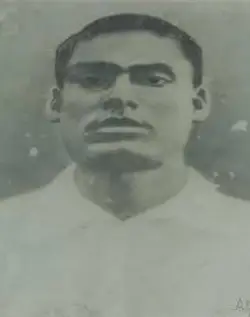
Ramkrishna was born in Saroatali, Chittagong in Bengal (now in Bangladesh) and he was a meritorious student, later he joined the revolutionary movement for India’s liberation under Masterda Surya Sen. Surya Sen and his followers decided to assassinate Mr. Craig, the Inspector General of Police for Chittagong. Biswas and revolutionary Kalipada Chakrabarty were assigned to this task. On December 1, 1930, they went to Chandpur station, but mistakenly killed inspector Tarini Mukherjee, instead of Craig. Biswas and Chakravarty were arrested on December 2, 1930. Biswas’s family lacked the funds required to travel from Chittagong to Kolkata and visit him in Alipore Jail, Kolkata. At that time, another revolutionary Pritilata Waddedar was staying in Kolkata and was asked to meet Biswas. She was able to pretend to be his cousin, in order to gain access to the jail. In the morning of August 4, 1931, he was executed at Alipore Jail. Biswas’ martyrdom later inspired Pritilata. Kalipada Chakrabarty, was transported to the Cellular Jail on the Andaman and Nicobar Islands
Nirmal Sen
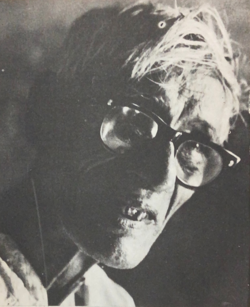
The brave revolutionary was one of the important associates of Surya Sen. During the Chittagong Armoury Raid,Nirmal Sen took the charge of raiding the Auxiliary armoury. Nirmal fought neck to neck with British army in Jalalabad hills. Nirmal Sen who encouraged Kalpana and Pritilata to join Surya Sen’s revolutionary group. After the Chittagong Armory Raid, there was a big hunt for Surya Sen and his associates. The revolutionaries had to change their hideouts frequently. Surya Sen had managed to find a shelter in a house of a widow named Savitri Devi in the village Dalghat. Nirmal Sen, Pritilata Waddedar and Apurba Sen had also taken shelter in the house. On 13th June 1932, the house was surrounded by paramilitary forces commanded by officer Cameron. Surya Sen was about to have his dinner when the firing started. Nirmal Sen started firing on the miliary force. He even shot down Officer Cameron. But the heavy firing by the military force claimed the life of Nirmal Sen leaving him mortally wounded. In his dying moments, he insisted Surya Sen and Pritilata to escape. Nirmal Sen finally succumbed to the bullet wounds.
Kalipada Chakrabarty
Women Warriors At The Front
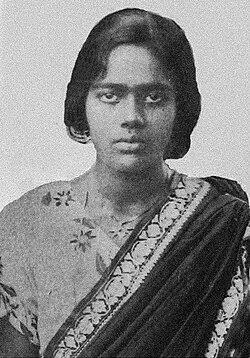
Known as the first revolutionary women martyr of modern India, the brave heart Pritilata Waddedar was born on May 5, 1911 in Dhalghat village in Chittagong (in present day Bangladesh). She was a bright student at her school in Chttagong, revolutionary Kalpana Dutta was her class-met and she later wrote about Pritilata in the biography Chittagong Armoury Raiders: Reminiscences, “We had no clear idea in our school days about our future. Then the Rani of Jhansi fired our imagination with her example. Sometimes we used to think of ourselves as fearless…”
After completing her education in Chittagong and in Dhaka, Pritilata graduated in Philosophy from the Bethune College in Kolkata. In her aim to drive the British away from India, for joining the revolutionary movement, on June 13, 1932, Pritilata met Surya Sen and revolutionary Nirmal Sen in their Dhalghat camp. Revolutionary Binod Bihari Choudhury objected to her participation as women was not allowed to join their group. However, seeing her determination and zeal, Pritalata was allowed to join the group. Pritilata took part in several attacks on telephone and telegraph offices in the region and the capture of the reserve police line. She also took the responsibility to supply explosives to the revolutionaries.
Pritilata Waddedar (1911 – 1932)
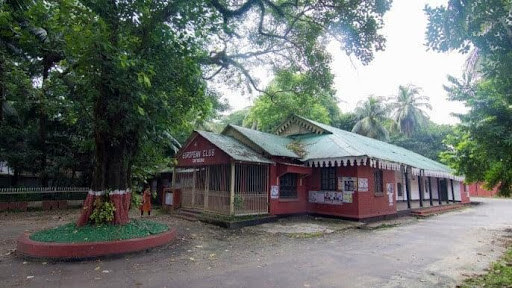
Present day image of the European Club in Chittagong
(image collected from www.tbsnews.net)
In 1932, Masterda Surya Sen planned an attack on the Pahartali European Club which had a signboard that read “Dogs and Indians not allowed”. It was decided that Pritilata will lead the group. On September 24, 1932, Pritilata with her associates Kalishankar Dey, Bireshwar Roy, Prafulla Das, Shanti Chakraborty, Mahendra Chowdhury, Sushil Dey and Panna Sen wore attacked the European Club. The group reached the club at around 10:45 pm to launch their attack, and divided themselves into three separate groups. There were around 40 people inside the club during the attack. The building was set on fire before the armed group started shooting. A few armed police officers, who were present at the club, returned fire. Pritilata was shot and incurred a single bullet wound. According to the police report, one woman was killed, and four men and seven women were injured in the attack. Pritilata got bullet shots and was trapped by the police and she took potassium cyanide to evade capture and attained martyrdom.
Kalpana Datta (1913 –1995)
Kalpana Dutta was born at Sripur, village of Chittagong. After her matriculation from Chittagong in 1929, she joined the Bethune College in Kolkata to study science. Soon, she joined the Chhatri Sanga (Women Students Association), which was a semi-revolutionary organization in which Bina Das and Pritilata Waddedar were also active members.
Kalpana joined Surya Sen’s ‘Indian Republican Army’ in May 1931. In September 1931, Surya Sen entrusted her, along with Pritilata Waddedar, to attack the European Club in Chittagong. A week before the attack, Kalpana was arrested and she went into hiding after her release on bail. After Surya Sen’s arrest, Kalpana Dutta with his associates tried to bomb the jail to free Surya Sen but the plan failed.
Kalpana was finally arrested on May 19, 1933 and was sentenced to transportation for life. She was released in 1939 and she remained active in politics. Kalpana Dutta settled in India after partition of India in 1947.
Bina Das (1911 – 1986)
Revolutionary Bina Das was a member of Chhatri Sangha, a semi-revolutionary organisation for women in Kolkata. On February 6, 1932, she attempted to assassinate the Bengal Governor, Stanley Jackson, in the Convocation Hall of the University of Calcutta. The revolver was supplied by another revolutionary Kamala Das Gupta. She fired five shots but none hit the Governor and he survived.
Bina Das was imprisoned for nine years and she was jailed again until 1945 for her participation in the Quit India Movement. Das was the daughter of Benimadhab Das, who was the Head Master of the Revenshow Collegiate School in Cuttack and during his tenor; Netaji Subhas Chandra Bose was a young student in that school. Netaji, in his biography ‘An Indian Pilgrim’ cherished Head Master Benimadhab Das’s influence during his school days.
In her confessionto the police, Bina das wrote: “My object was to die, and if to die, to die nobly fighting against this despotic system of Government, which has kept my country in perpetual subjection to its infinite shame and endless suffering – and fighting in a way which cannot but tell… I have been thinking – is life worth living in an India so subjected to wrong, and continually groaning under the tyranny of a foreign Government, or is it not better to make one’s supreme protest against it by offering one’s life away? Would not the immolation of a daughter of India and of a son of England awaken India to the sin of its acquiescence to its continued state of subjection and England to the iniquities of its proceedings?”
Kamala Das Gupta (1907 – 2000)
Kamala Das Gupta was born in 1907 in Bikrampur in Dhaka (now in Bangladesh). She got an Arts degree in History from Bethune College in Kolkata. She got associated with the Jugantar Party and assisted them in various revolutionary activities, like safekeeping of bomb making materials. She was arrested on several occasions but was released due to lack of evidences. She supplied a revolver to Bina Das to kill the Bengal Governor and got arrested again until her release in 1936
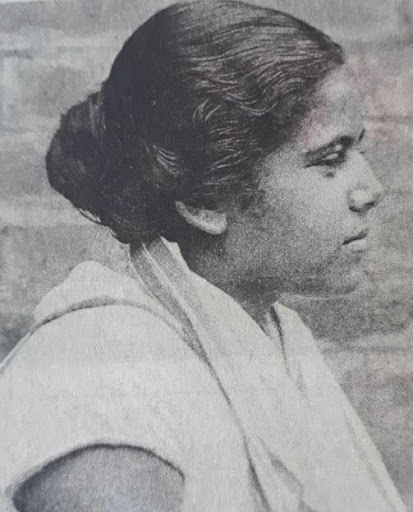
Suniti Choudhury (1917 – 1988)
Suniti Chowdhury was born on May 22, 1917 in Comilla district Bengal (now Bangladesh). Santi Ghose was also born in Comilla on November 22, 1916. Chowdhury was influenced by the revolutionary activities of Ullaskar Dutta, who was also from Comilla. At a very early age both of them became a members of Tripura Zilla Chhatri Sangha. Choudhury was selected as the “custodian of firearms” and was in charge of training female members (of the Chhatri Sangha) in lathi, sword and dagger play.
Santi Ghosh (1916 – 1989)
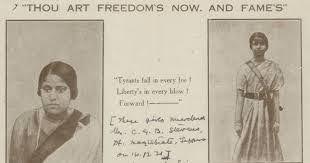
On December 14, 1931, at the age of 14 years, Chowdhury along with revolutionary Santi Ghosh (age 15 years) walked into the office the infamous district magistrate of Comilla Charles Geoffrey Buckland Stevens, as they wanted to present a petition to arrange a swimming competition amongst their classmates. While Stevens looked at the document, Ghose and Chowdhury took out their pistols and shot and killed the British officer. For both being minor, received imprisonment of 10 years and got released after 7 years of jail term.
The Indian sources characterized the assassination as Ghosh and Chowdbury’s response to the “misbehaviours of the British district magistrates”, who misused their positions to supress the Indians and misbehaved with Indian women. After the verdict was announced, a flyer was found by the intelligence branch of police in the Rajshahi district praising Ghosh and Chowdbury as nationalist heroines. The poster read, “THOU ART FREEDOM’S NOW, AND FAME’S” and displayed photographs of the two girls alongside lines from Robert Burns’ poem ‘Scots Wha Hae’:
“Tyrants fall in every foe! Liberty’s in every blow!”