
The two most significant revolutionary organisations of Bengal that introduced armed nationalism.
The Anushilan Samiti and the Jugantar Party played a decisive role in introducing organised revolutionary nationalism into India's freedom struggle. Anushilan Samiti created a disciplined network of politically conscious youth through physical training and nationalist ideology, laying the foundation for armed resistance against British rule. The Jugantar Party, emerging from Anushilan Samiti, took this movement forward through direct revolutionary action, challenging colonial authority and breaking the myth of British invincibility.
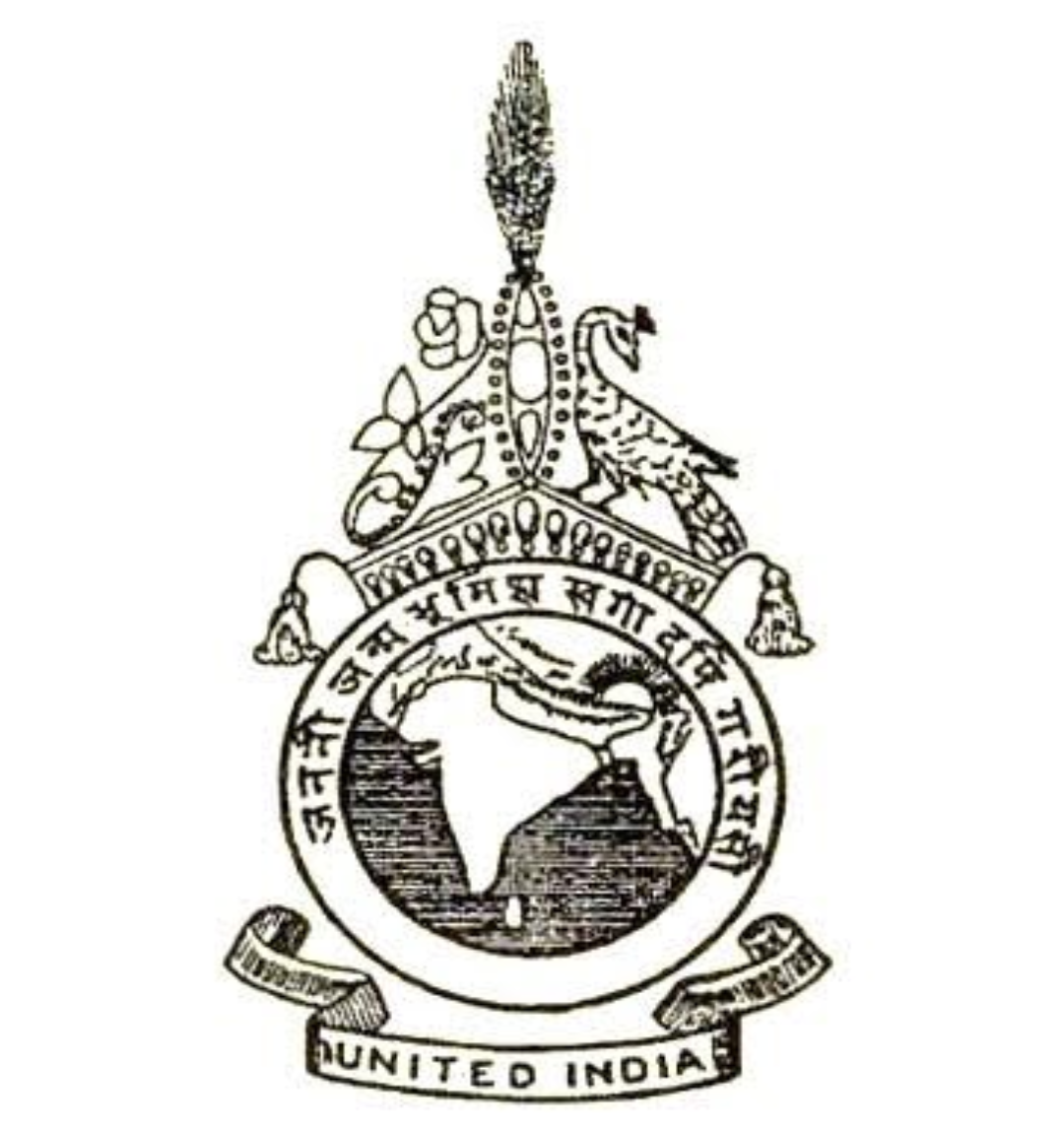
(this image is in public domain, collected from Wikipedia)
The Swadeshi Movement after the partition of Bengal in 1905 created the foundation for a nationalist movement. The Indian National Congress by 1905 saw political differences — the moderates aimed at dominion status, whereas the Nationalists were for complete independence. Bipin Chandra Pal and Aurobindo Ghose introduced the concept of "non-co-operation" as protest against the British government.
Bipin Chandra Pal in a meeting in Madras in 1907 stated: "Indians might be appointed to high offices... but will all have to act according to the directions of the British authorities. Even though the services may be Indianised, the administrative authority will remain with the Britishers — we shall never get self-government." (Source: Bipin Chandra Pal, Memoirs of My Life and Time)
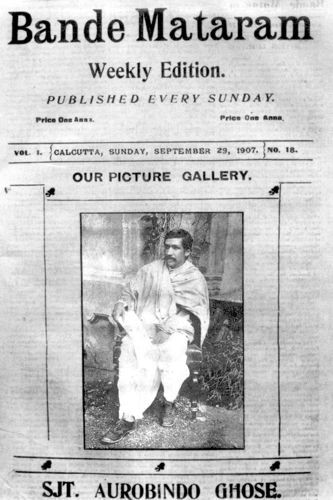
(AI generated image depicting Bipin Chandra Pal in Madras)
Anushilan Samiti, founded in 1902 in Kolkata, initially functioned as a physical training platform while also conducting classes on nationalism. Pramatha Mitra served as President; Aurobindo Ghose and Chittaranjan Das were Vice-Presidents. Sister Nivedita and Sakharam Ganesh Deuskar regularly addressed members. As the Samiti expanded, a vital Dhaka branch was opened in 1905. Members had gradations: "Adya" for first stage, "Antya" for final, "Pratham Bises" as first special and "Dwitiya Bises" as second special vows — with initiation at a Kali Temple.
Indian nationalist leader, revolutionary freedom fighter, one of the founders of Anushilan Samiti. Later, Ghose devoted himself to spiritual practice, eventually formulating the path of Integral Yoga at Pondicherry. (this image is in public domain, collected from Wikipedia)
Barindra Kumar Ghose (Barin Ghose) was a well-known Indian revolutionary and journalist. He founded the revolutionary group Jugantar Party. Ghose was the younger brother of Sri Aurobindo. (this image is in public domain, collected from Wikipedia)
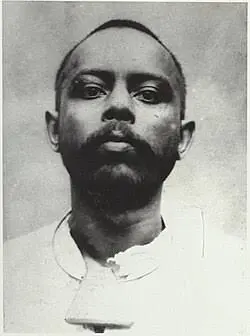
Bhupendranath Dutta was an Indian revolutionary and editor of the famous revolutionary journal "Jugantar". A noted sociologist and anthropologist. He was the younger brother of Swami Vivekananda. (this image is in public domain, collected from Wikipedia)
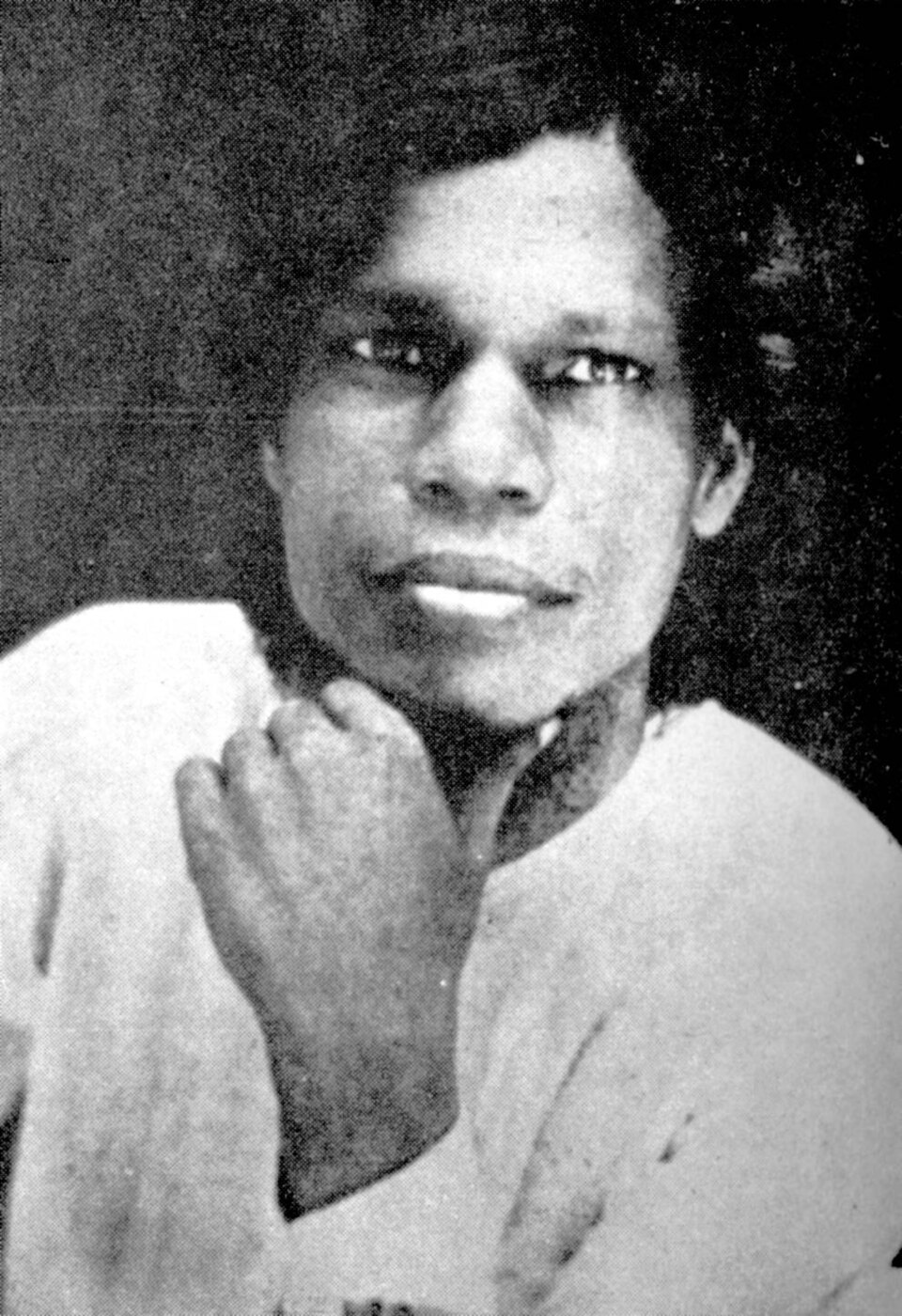
Eminent revolutionary, who learnt bomb making and disseminated the same throughout Indian revolutionary organisations.
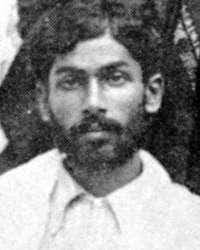
Eminent revolutionary, a member of the Jugantar Party and an expert in bomb making. Dutta was deported to Andamans (Cellular Jail) by the British government. (this image is in public domain, collected from Wikipedia)