
India's first economic nationalist uprising — boycott of British goods, promotion of indigenous industry.
Boycotting of foreign goods as a movement had happened much before 1905, the objective was to strengthen the indigenous industries. However, in case of the 1905 massive agitations, the example of China was considered for the Bengalis.
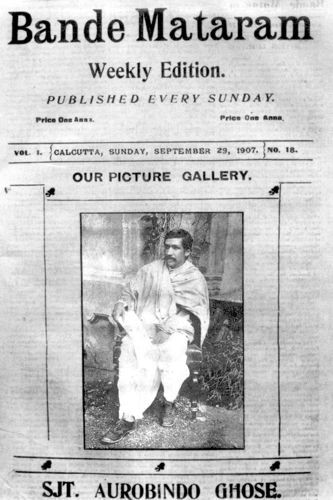
National Council of Education Bengal — Established in Kolkata for providing national education. (this photograph is collected from www.sriaurobindoinstitute.org)
Many students in various districts were fined and rusticated, many teachers were dismissed for participating in the Swadeshi Movement under the new circular known as "Carlyle circular". Widespread anger was witnessed among the masses on this issue and a meeting was held in Kolkata presided over by Rabindranath Tagore. The students took the oath that they would not accept the "Carlyle Circular". Tagore in his speech supported the students and criticized the circular.
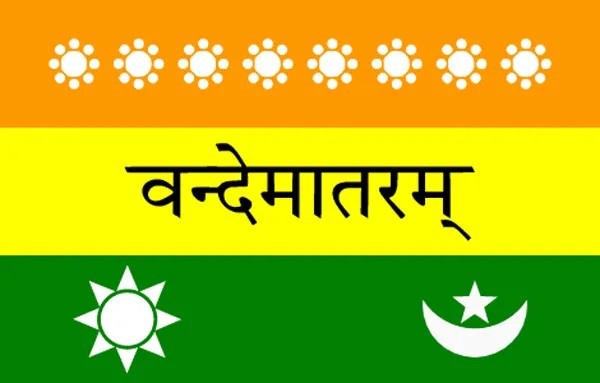
Indian nationalist, freedom fighter, writer, orator, social reformer, one of the main architects of the Swadeshi Movement, known as the father of revolutionary ideas during the freedom struggle in India. (Image Courtesy: Wikipedia, by Andhra Patrika editors, Public Domain)
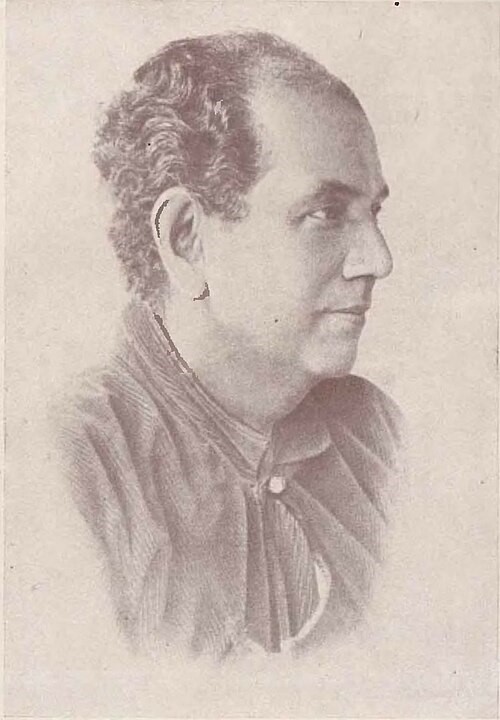
Founder of the Dawn Society, pioneer in establishing national education during the Swadeshi Movement. (this image is in public domain, collected from Wikipedia)
By the end of 1905, the Swadeshi Movement of Bengal was very strongly spreading in other parts of India, as it spread to 23 districts of U.P, 15 towns of M.P, 24 towns of Bombay (now Maharashtra), 20 districts of Punjab (undivided Punjab) and 13 districts of Madras (now Tamil Nadu). Nationalist leader Bal Gangadhar Tilak led the movement in Bombay.