
Systematic crackdowns, deportations, torture — the machinery of colonial repression.
In 1908, the British colonial government launched one of the most systematic crackdowns on revolutionary nationalism in Bengal. Following the Mujaffarpur bombing (April 30, 1908), the Raj unleashed surveillance, arrests, deportations, censorship, and exemplary punishments designed to crush the growing armed nationalist movement.
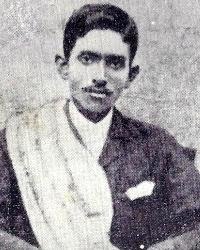
Born in Chandernagore, Banerjee worked as sub-editor of "Bande Mataram" under Aurobindo Ghose. Arrested in Alipore Bomb Case 1908. Sentenced to transportation for life to the Andamans. Released January 1920.
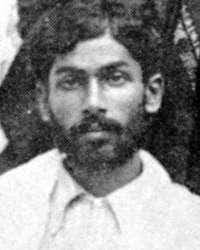
Born in Chandannagar (then French India). Killed British approver Narendranath Goswami in Alipore Jail. Hanged November 10, 1908.
Born in Faridpur, Bengal. Revolutionary, linguist, scholar, philosopher and yogi. The most senior of Aurobindo Ghose's disciples. Arrested in Alipore Bomb Case, acquitted a year later.
Born in Faridpur. Sentenced to transportation for life, reduced to 7 years on appeal. "One of the bravest and most fearless sons of the motherland." — Nolini Kanta Gupta. Dedicated the last phase of his life at the Sri Aurobindo Ashram.
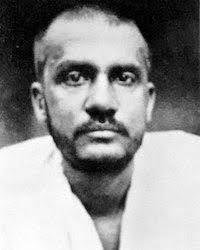
Born in Hooghly district in Bengal in 1879. Arrested May 1908 from his home in the Alipore Bomb Case. Sent to the Andamans for lifetime imprisonment, released in the year 1920.
After the annulment of the Partition of Bengal in 1911, Hardinge had hoped that there would be an end of the armed rebellion but the revolution gradually increased in Bengal and then got spread to other parts of India. Even the Viceroy himself became a target of the Bengal revolutionaries. The only aim was complete independence of the motherland.

(this image is in public domain, collected from Wikipedia)