
The Rodda Arms Heist and the secret societies that kept the flame of revolution burning.
As a result of the Alipore Bomb Case, many revolutionaries from Bengal were imprisoned, Aurobindo Ghose left politics and took the path of spiritualism at Pondicherry. However, the fire of revolution did not die down and a number of secret societies came up within quick time. The freedom fighters strategized mega plans and started executing those.
It was in August 1914, when a meeting of the revolutionaries took place in a narrow lane of lower Chitpur Road named Chatawala Gali near Lalbazar in Kolkata. During the First World War (1914-1918) Indian revolutionaries were in desperate need of firearms. Revolutionary leaders Rash Behari Bose and Bagha Jatin were among the masterminds of this movement.
One of Bipin Behari's close friends Kalidas Mukherjee was employed at Rodda & Co, a prominent gun store situated at Vansittart Row in Calcutta. With his help, a young man named Shrish Mitra alias Habu was employed at Rodda and Company as an informer for the revolutionaries.
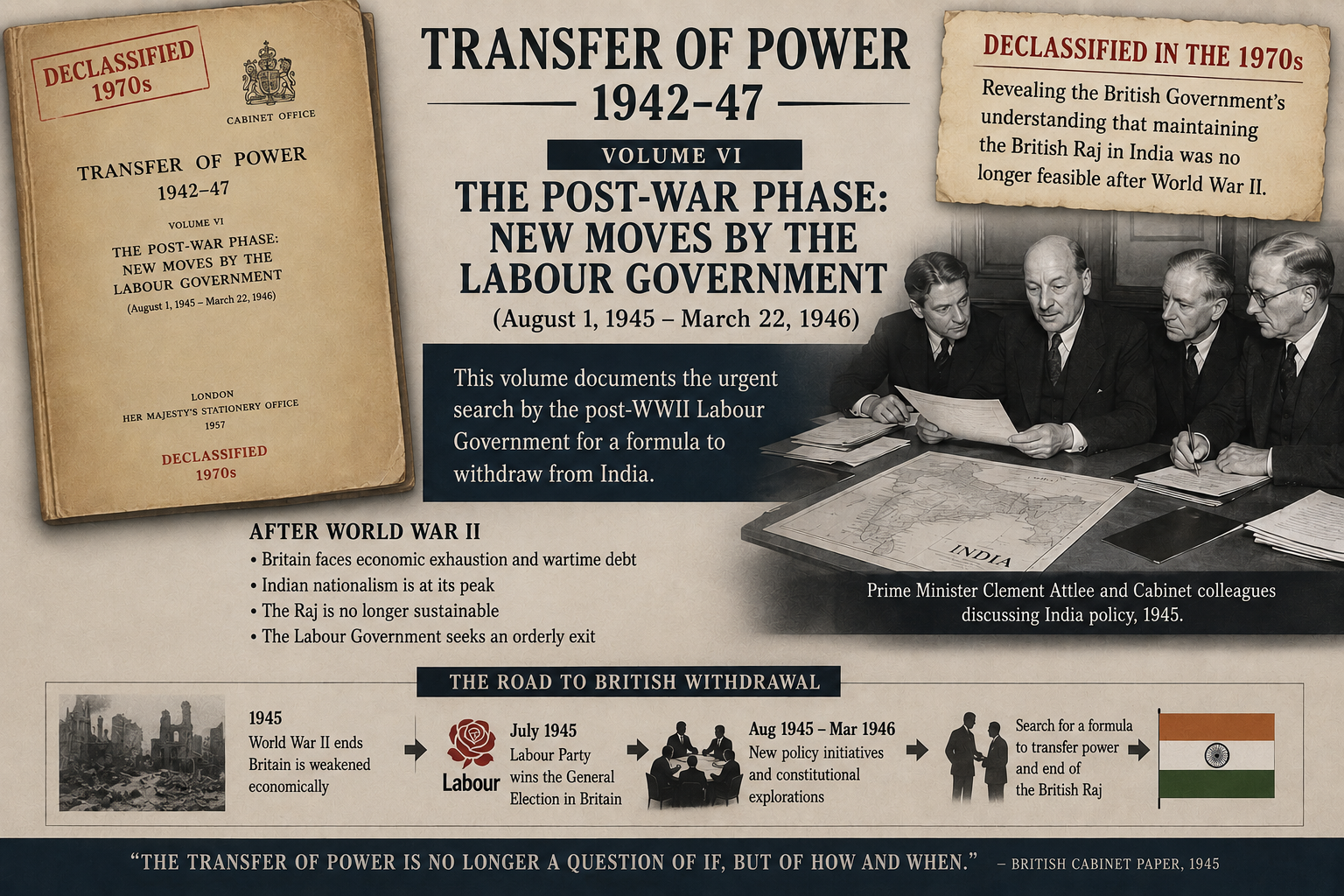
On August 26, Srish Mitra reported to Mr. Prike (an officer of Rodda and Company) at 10 am as usual and Mr. Prike handed him all the necessary documents. When the bullock carts left the Custom House, Haridas Datta drove the bullock cart like an expert Garowan on the streets of Dalhousie Square. The seventh cart driven by Haridas Datta did not turn right into Vansittart Row. Instead, it went straight. It was unloaded in front of a godown on B.B. Ganguly Street belonging to Kanti Mukherjee near the entrance of Malanga Lane. The boxes contained 50 Mauser C96 pistols and 46,000 cartridges.
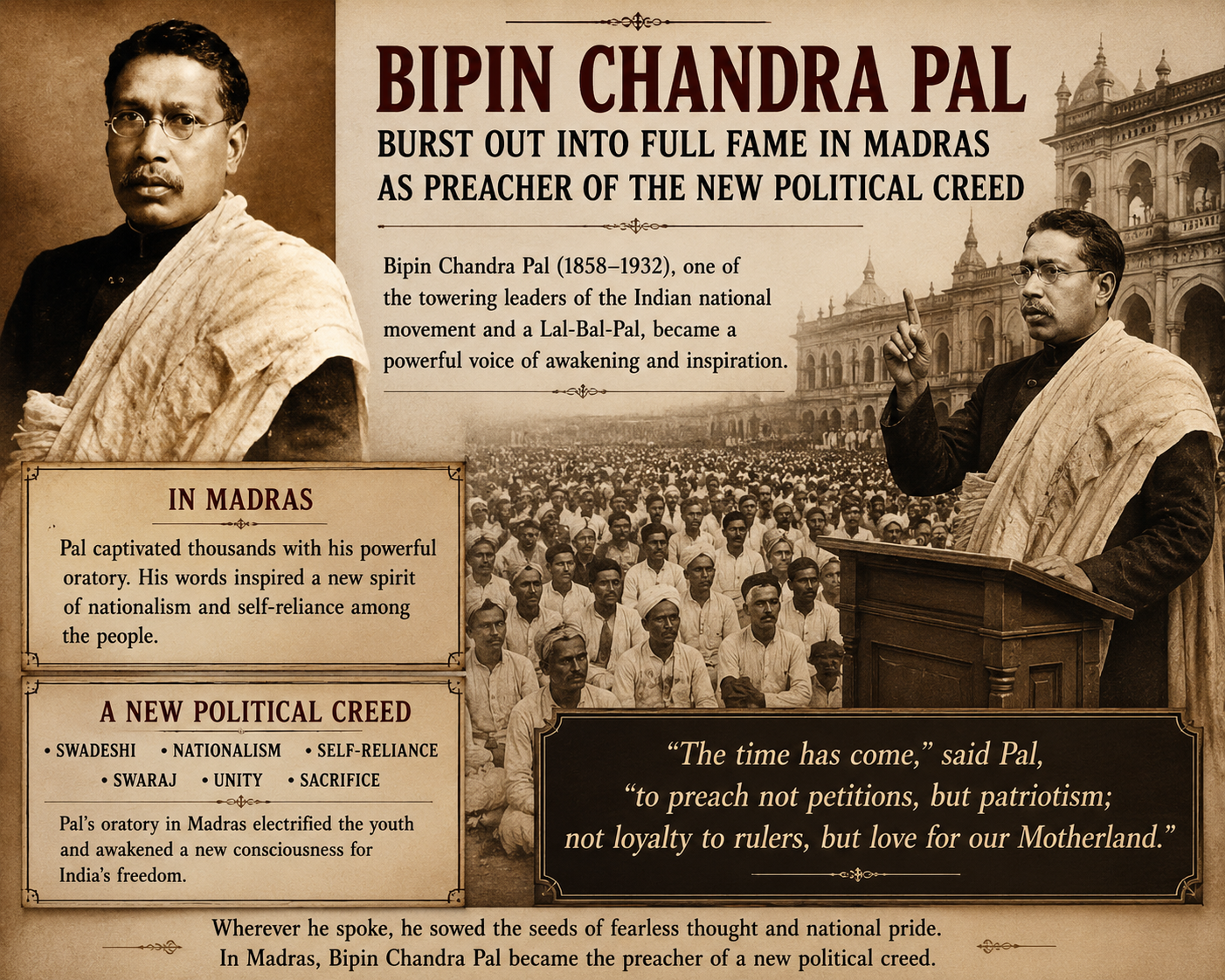
The significance of the Rodda Arms Heist can be best understood from a statement made in the report of 1918 by the President of the Sedition Committee S.A.T. Rowlatt:
"The authorities have reliable information to show that 44 of these pistols were almost at once distributed to 9 different revolutionary groups in Bengal, and it is certain that the pistols so distributed were used in 54 cases of dacoity or murder or attempts at dacoity and murder subsequent to August 1914."
From Rash Behari Bose to Bagha Jatin, almost everyone had used the stolen Mauser pistols during their fight. Even revolutionary leaders Bhagat Singh and Chandrasekhar Azad received at least one Mauser pistol each from the loot. The looted Mauser C96 also played an important role in the Ghadar conspiracy (the Mutiny of 1915).