“The sound of a bullet for freedom is sweeter than the silence of slavery”
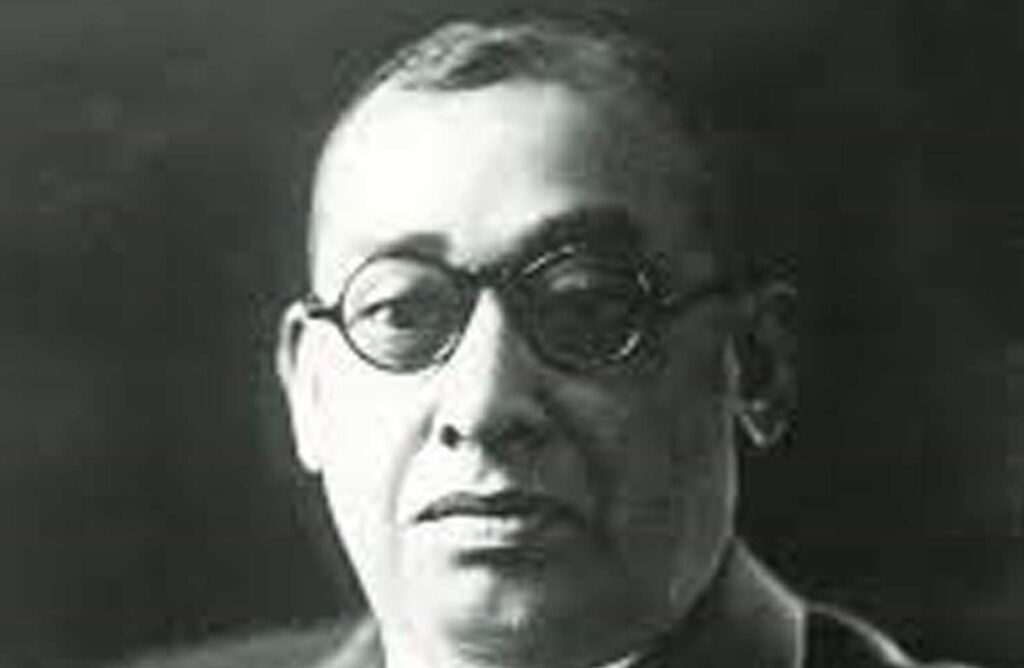
Revolutionary leader Rashbehari Bose’s contributions in India’s independence were monumental. His works reflect his strategic mind-set, unwavering nationalism, and deep understanding of the sacrifices needed to achieve true freedom. He believed that tolerating oppression in silence was worse than fighting for one’s rights, even if it involved armed resistance. Bose was instrumental in organizing the Ghadar Mutiny, formed the Indian Independence League in Southeast Asia and laid the foundation for the Indian National Army (INA), which was later led by Netaji Subhas Chandra Bose. His influence on the Indian freedom movement was profound and his words reflected his vision, dedication, and strategic brilliance in the fight against British rule.
The making of a revolutionary
Rashbehari Bose was born at Subaldaha village of present day Purba Bardhaman district of West Bengal on May 25, 1886. His father’s name was Binod Behari Bose and mother was Bhubaneswari Devi. Bose grew up during the British induced famines in Bengal region and it fuelled his dislike for British rule from the very early age. In Chandannagan, Bose studied at Dupleix College and he got inspired by the lectures of the principal, Charu Chandra Roy, on revolutionary politics. Later, he joined Morton School in Kolkata and subsequently earned degrees in medical sciences and engineering.
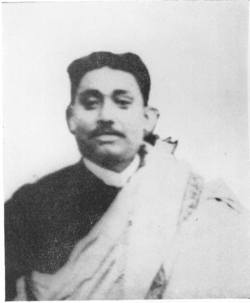
Bose worked as head clerk at the Forest Research Institute at Dehradun and while working there he secretly got involved with the revolutionaries of Bengal and he came across revolutionaries of the Arya Samaj and Jugantar Party.
Rashbehari Bose during his stay at Dehradun
(image collected from Wikipedia)
It was time to fight against the empire
In 1912, Rashbehari masterminded a mega assassination plan and along with young revolutionary Basanta Kumar Biswas he attempted to kill Viceroy Lord Hardinge during a procession in Delhi, which led to the viceroy being severely injured. Although they failed in their attempt but the event sent shockwaves throughout the British Empire. Bose could manage to returned to Dehradun by the night train and joined the office the next day as if nothing had happened. He even organised a meeting of loyal citizens of Dehradun to condemn the dastardly attack on the Viceroy.
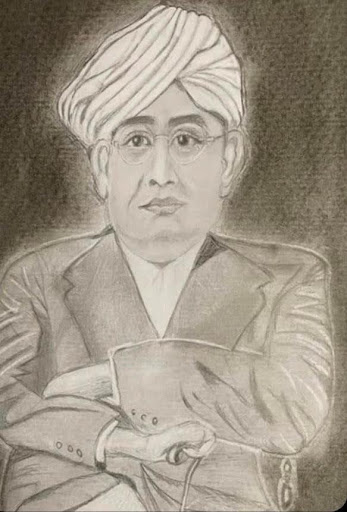
During the First World War Rashbehari Bose became one of the leading figures of the Ghadar Movement, an attempt to trigger a mutiny in India in February 1915. Trusted and tried Ghadrites were sent to several cantonments to infiltrate into the army. The idea of the Gadar leaders was that with the war raging in Europe most of the soldiers had gone out of India and the rest could be easily won over. However, the revolution plan failed and most of the revolutionaries were arrested. But Bose managed to escape British intelligence and reached Japan in 1915. Bose had reached Japan under the alias of Priyanath Thakur, a relative of Gurudev Rabindranath Tagore.
Rashbehari Bose as Priyanath Thakur
Life in Japan
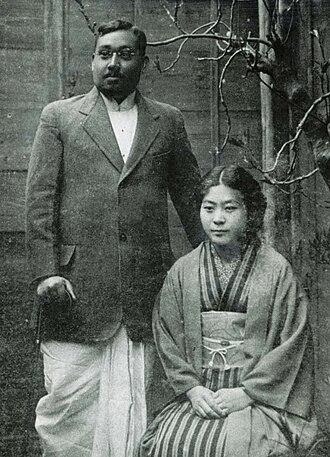
Rashbehari Bose faced great trouble in the early years of his stay in Japan and during the period of 1915 to 1918, he had to change residences and identities on numerous occassions, as the British kept pressing the Japanese government for his extradition. Bose received great help from the reputed Pan-Asian supporter Soma family and married their daughter Toshiko Soma and ultimately became a Japanese citizen. The Soma family was the owner of Nakamuraya bakery in Tokyo. It is very interesting to note that Bose was instrumental in introducing Indian-style curry in Japan, which became quite popular, with Rashbihari becoming known as “Bose of Nakamuraya”. Within a very short time Bose learnt Japanese and in few years he earned great reputation as a writer of matters related to Pan Asia and Indian independence and he wrote both in Japanese and English.
Rashberahi Bose with his wife Toshiko Bose in 1918
(image collected from Wikipedia)
WW II, an opportunity to strike hard
Rashbehari met many of his associates of the Ghadar Movement in Japan and in Southeast Asia and kept on working for Indian independence but he saw another opportunity of striking hard at the British Empire as the Second World War broke out. Bose was successful in persuading the Japanese authorities to stand by the Indian revolutionaries. In a significant development, he convened a conference in Tokyo during 28–30 March in 1942, which decided to establish the Indian Independence League to work for Indian independence and he also moved a motion to raise an army for Indian independence, Bose got the support of the Japanese government in this regard. He convened the second conference of the League at Bangkok on June 22, 1942, and a resolution was adopted to invite young and promising leader of Indian independence movement and the former president of the Congress, Subhas Chandra Bose to take charge of the League and to lead the movement. The Japanese authorities responded positively and arranged to bring Subhas Chandra Bose from Germany to Japan through a submarine journey at the request of Rashbehari Bose.
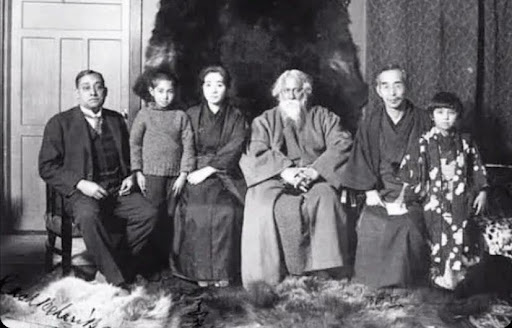
Rabindranath Tagore, with Rashbehari Bose and Soma family during his Japan visit
(image collected from Wikipedia)
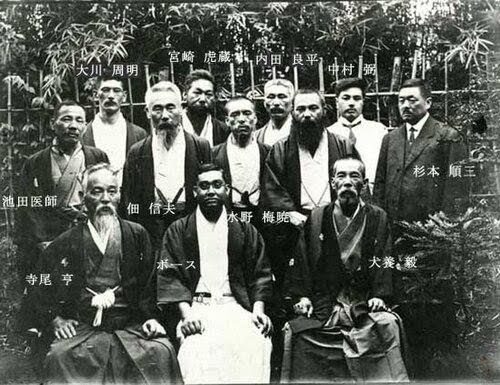
Rashbehari Bose with his Japanese friends, including Mitsuru Toyama, a renowned Japanese nationalist leader and Tsuyoshi Inukai, then future Japanese Prime Minister in 1915
The Indian prisoners of war of the British Indian Army captured by the Japanese in the Malaya and Burma fronts were encouraged to join the Indian Independence League and become the soldiers of the Indian National Army (INA), formed on September 1, 1942 as the military wing of Rash Behari Bose’s Indian National League. Bose served as the president of the league and commander of the INA before handing in over to Subhas Chandra Bose. On the historic day of October 21, 1943, Subhas Chandra Bose proclaimed the ‘Provisional Government of Free India’ in Singapore and declared the names of the ministers and aged Rashbehari Bose was named as the advisor to the government. Rashbehari knew that the responsibility of the movement was now in the right hands of a bold, charismatic leader like Subhas Chandra Bose and he felt relieved after a life long struggle to see his motherland free from the colonial rule.
Rashbehari Bose with his Japanese associates in 1916
(image collected from Wikipedia)
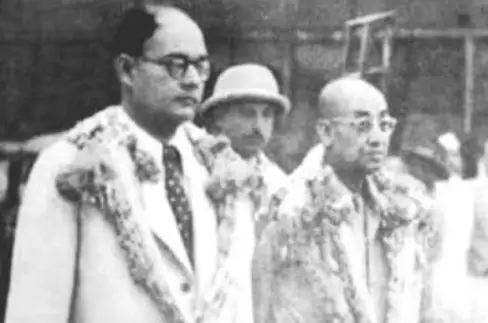
Rashbehari Bose arrived at Singapore with Subhas Chandra Bose in July 2, 1943
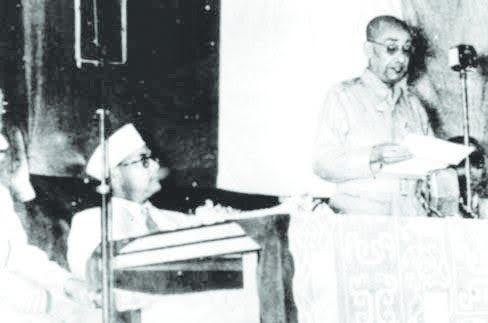
In Singapore, on July 4, 1943, Rashbehari Bose handed over leadership of the Indian Independence League and INA to Subhas Chandra Bose at the Cathay Hall
Life dedicated for liberation of Motherland
While handing over IIL to Subhas Chandra Bose at Cathey Hall in Singapore on July 4, 1943, Rashbehari Bose addressed the gathering and said “ Friends and comrades in arms. In your presence today, I resign my office and appoint Deshsevak Subhas Chandra Bose as president of the Indian Independence League. I have full faith in the almighty that India’s best is represented in him”. He further said, “I shall be the soldier that I have always been the soldier in the battle for Mother India’s freedom”.
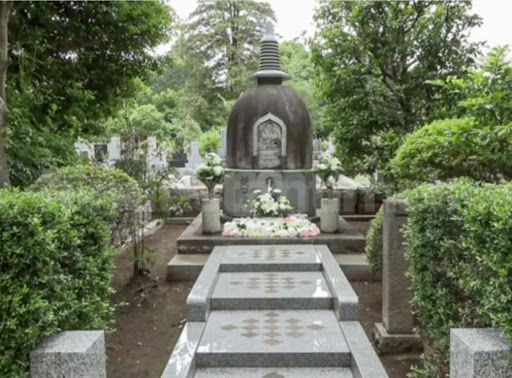
After lifelong struggle, Rashbehari Bose’ health deteriorated by the end of 1944. Being seriously ill he prayed to the almighty that his last wish was to reborn as a little infant in his beloved…Azad Hind. This great soldier of Mother India breathed his last on January 21, 1945at his home in Tokyo, leaving a legacy of uncompromised love for his country. Few days before his death the Japanese Emperor honoured Bose with the “Order of the Rising Sun”. The brave freedom fighter could never return to his motherland, however, did everything he could to liberate India from the shackles of British colonial powers. History can never forget the contributions of Rashbehari Bose in making in India free, even if his deeds could get evaded from the memory of his countrymen.