
How the British East India Company conquered and plundered India over two centuries.
Famous American historian and philosopher Will Durant wrote about British occupation of India when he visited India in 1930. In his book "The Case for India", he wrote: "The British conquest of India was the invasion and destruction of a high civilization by a trading company utterly without scruple or principle, careless of art and greedy of gain, over-running with fire and sword a country temporarily disordered and helpless, bribing and murdering, annexing and stealing, and beginning their career of illegal and 'legal' plunder which has now gone on ruthlessly for one hundred and seventy-three years."
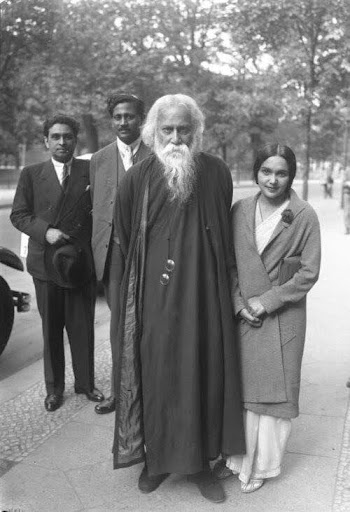
(this portrait is in public domain, collected from Wikipedia)
As per British economic historian Angus Maddison, at the beginning of the eighteenth century India's share of the world economy was 23 percent. By the time British left India, it had dropped to just 3 percent. India was governed for the benefit of Britain. Britain's rise for 200 years was financed by its depredations in India.
(Dr. Shashi Tharoor's book "An Era of Darkness")
Before the arrival of the British, Bengal region of India was a major exporter of various goods, including textiles, agricultural products and raw materials. Bengal was particularly renowned for its fine muslin and silk, which were highly sought after in international markets, particularly in Europe. Dhaka's "muslin cloth" was especially famous for its fineness.
The British Empire in India began its journey with the British East India Company, formed in 1600 by a royal charter of Queen Elizabeth I. In 1757, under the command of Robert Clive, the company defeated Siraj-ud-Daula, the Nawab of Bengal — the most prosperous region in India. Nawab's own general Mir Jafar betrayed him. In 1765, a weakened Mughal Emperor Shah Alam II gave revenue collecting rights to the company for the provinces of Bengal, Bihar and Orissa.
By 1803 the company's army reached almost double the size of the British Army and captured most of the Indian Subcontinent. The company destroyed local crafts and industries. They cut the thumbs of the weavers of Bengal, who used to weave the world famous "muslin cloths", making the textile exporters beggars under the company rule. East India Company forced farmers to cultivate opium and indigo dye for trade other than cultivating food crops.
All the resistance or revolts were brutally crushed by the East India Company but the great Rebellion of 1857 or the First War for Indian Independence shook its foundations. The rebellion started from Barrackpore, near Calcutta and got its real form of a war in Meerut. The queen of Jhansi, Rani Lakshmibai was one of the leading figures of the war, who gave her life fighting the British forces. This resulted in the end of the rule of the company in India and the country was brought under the direct rule of the British Crown.