
The soul-stirring tribute to the motherland that became the heartbeat of India's freedom struggle.
"Vande Mataram" — 'I Bow to Thee, Mother' — is more than just a poem or a song; it is a soul-stirring tribute to the motherland, born from the pen of the great novelist Bankim Chandra Chatterjee. Written in the 1870s in Sanskritised Bengali and first published in 1882 as part of his revolutionary novel Anandamath, it became the heartbeat of a nation struggling for freedom from the colonial rule. It gained political significance when it was recited by none other than Gurudev Rabindranath Tagore at the Calcutta Congress Session in 1896. Famous musician Jadunath Bhattacharya gave tune to the song.
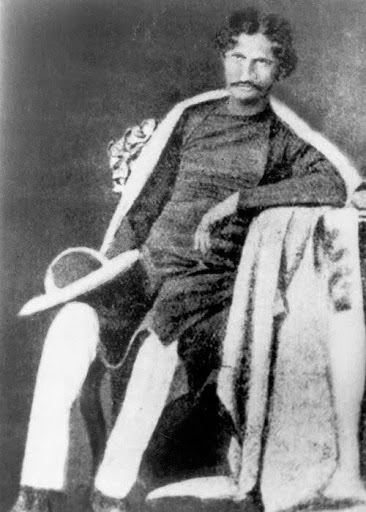
(this photo is in public domain, collected from Wikipedia)
With every verse, Vande Mataram awakened a sleeping spirit, igniting courage in the hearts of countless freedom fighters. It echoed through prison walls, protest marches, and whispered prayers, becoming a sacred mantra of resistance and unwavering devotion to Mother India. So powerful was its impact that the British, threatened by its force, banned the very novel that carried it. But the spirit of Vande Mataram could not be silenced. This song stood tall — adopted in 1950 as the national song of the Republic of India, a timeless song of love, sacrifice and patriotic pride.
On August 7, 1906, marking the first anniversary of the Bengal Partition, a specially designed flag was hoisted in Kolkata's Parsi Bagan area. Designed by Sachindra Prasad Bose and Hemchandra Kanungo, the flag was known as the 'Calcutta Flag'. The flag had "Vandemataram" written in Devanagari script in the middle, having eight flowers at the top representing eight provinces of India (then) and the Sun and crescent moon with a star at the bottom representing Hindus and Muslims respectively.
After a year of hoisting of the Calcutta Flag, another Indian national flag was designed by freedom fighters Bhikaji Cama and Shyamji Krishna Verma. This flag was hoisted by Cama in Germany, featured three horizontal stripes — saffron at the top, representing courage and the Hindus; green in the middle, symbolising faith and the Muslim community; and red at the bottom, denoting bravery and the rest of India. The design included eight blooming lotuses on the green stripe to signify India's eight provinces at the time, while 'Vande Mataram' was inscribed across the saffron middle stripe.
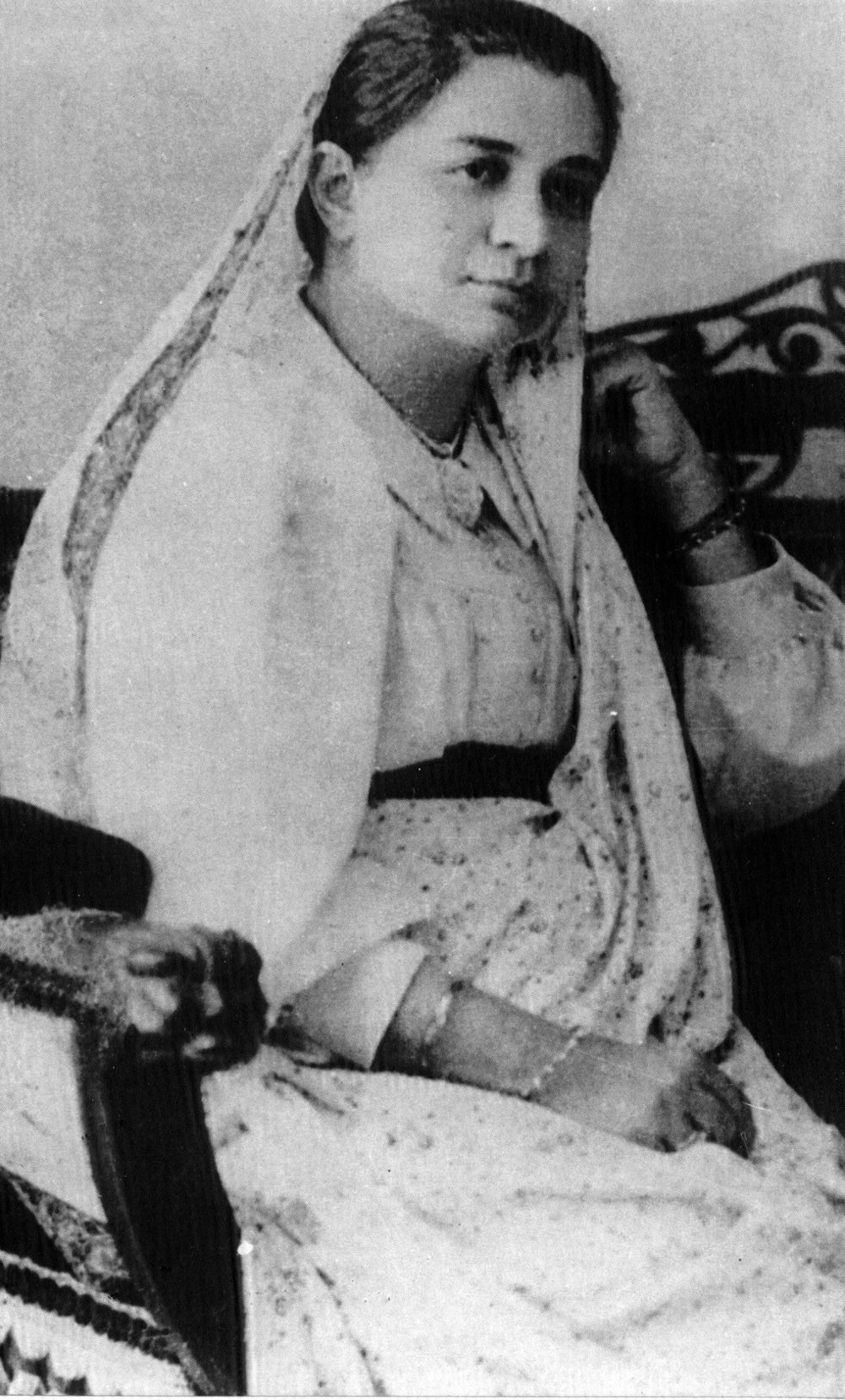
(this image is collected from a news report by India Today)
Based on the personification of the nation as described in Anandamath, in 1905, eminent painter and Rabindranath Tagore's nephew, Abanindranath Tagore created the first ever image of Bharat Mata. The artwork depicts a saffron-clad woman, holding a book, sheaves of paddy, a piece of white cloth, and a rudraksha garland in her four hands.
Great social reformer and Swami Vivekananda's disciple, Sister Nivedita had praised the painting by saying: "From beginning to end, the picture is an appeal, in the Indian language, to the Indian heart. It is the first great masterpiece in a new style."
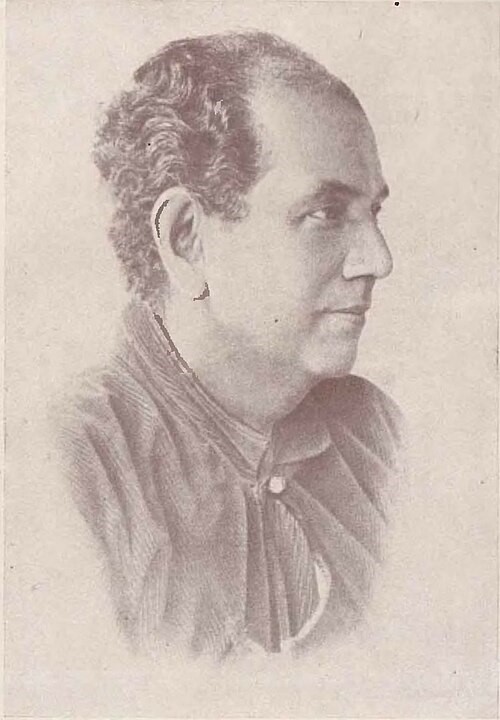
(this image is taken from the book History of Modern Bengal written by eminent historian R.C Majumdar)
In May 2026, the Government of India endorsed singing the complete six stanza version of Vande Mataram as the national song, restoring the song to its original form as part of its 150th anniversary observance. Earlier, since 1950 the first two stanzas of the song were considered as the national song. The latest order about singing the complete song is effective from February 6, 2026, the official rendition time fixed at 3 minutes and 10 seconds.