
Bhagat Singh, Surya Sen's Chittagong Armoury Raid, Pritilata Waddedar — the peak of armed resistance.
In 1925 the police discovered two bomb manufacturing hubs of the revolutionaries in Kolkata. By late 1920's Bengal revolutionaries were becoming experts in bomb making.
On April 8, 1929, young revolutionary from Punjab Bhagat Singh and Bengal's Batukeswar Dutta threw two bombs at the national assembly. They ensured that nobody was injured and voluntarily surrendered, to make a loud statement that this assembly and the government is doing nothing but harming the interests of the people of India.
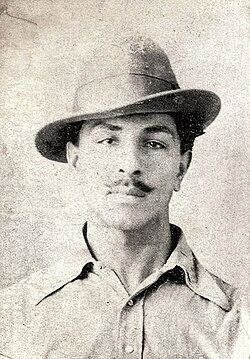
Bhagat Singh was born on September 27, 1907, in Punjab. He was a member of the Hindustan Republican Association formed by the Bengali revolutionary leader Sachindranath Sanyal and Ram Prasad Bismil. Bhagat Singh, Rajguru and Sukhdev were executed in Lahore Jail on March 23, 1931. Indians across the country saluted their bravery.
In 1930, Surya Sen organised a massive revolutionary attack — the Chittagong Armoury Raid on April 18, 1930, which made him one of the most celebrated heroes of India's freedom struggle.
On April 22, 1930, he led another gunfight against the combined forces of the British army and police. Harigopal Bal (Tegra) and 11 other revolutionaries died in this gunfight. Tegra's last words were: "Shona bhai, chollam. Tomra larai chaliye jao." which means "Goodbye, dear brother. Let our struggle continue."
Surya Sen was captured in 1933 and hanged on January 12, 1934.
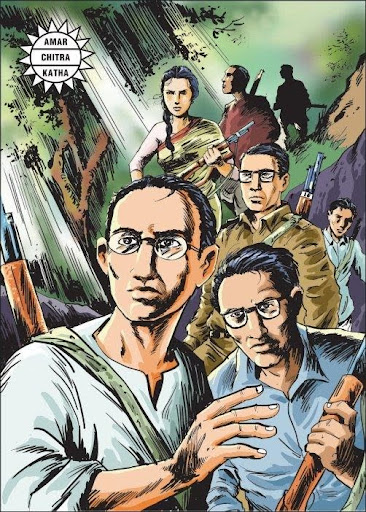
"Death is knocking at my door. My mind is flying away towards infinity. This is the moment to myself to embrace death as the dearest of friends. In this happy, sacred and crucial moment, what am I leaving for you all? Only one thing, my dream, a golden dream, the dream of a Free India. Dear comrades, march ahead; never retrace your step. Days of servitude are receding. Freedom's illuminating ray is visible over there. Arise and never give way to despair. Success is sure to come."
— Masterda Surya Sen (last message before execution)
Known as the first revolutionary women martyr of modern India, the brave heart Pritilata Waddedar was born on May 5, 1911 in Dhalghat village in Chittagong. After completing her education, Pritilata graduated in Philosophy from Bethune College in Kolkata.
In 1932, Masterda Surya Sen planned an attack on the Pahartali European Club which had a signboard that read "Dogs and Indians not allowed". On September 24, 1932, Pritilata led an armed group that attacked the European Club. She was shot and trapped by the police. She took potassium cyanide to evade capture and attained martyrdom.
(image collected from www.tbsnews.net)
On December 8, 1930, Benoy Krishna Basu, Badal Gupta and Dinesh Gupta (BBD) shot and killed Inspector General N.S. Simpson at Writers' Building, Kolkata — a legendary act of revolutionary audacity that struck at the heart of British administrative power in Bengal.
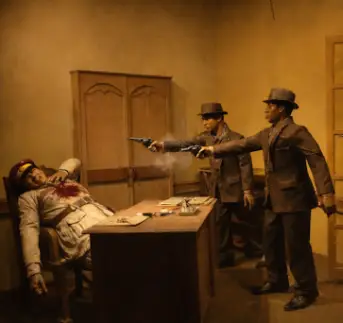
(AI-generated image depicting the BBD attack on Simpson)
One of the most iconic personalities of India's freedom struggle. On April 8, 1929, threw bombs at the national assembly with Batukeswar Dutta. Executed in Lahore Jail, March 23, 1931.
Mastermind of the Chittagong Armoury Raid. Hanged January 12, 1934. His final message: "Dear comrades, march ahead; never retrace your step."
First revolutionary women martyr of modern India. Led the attack on Pahartali European Club, September 24, 1932. Took potassium cyanide to evade capture.
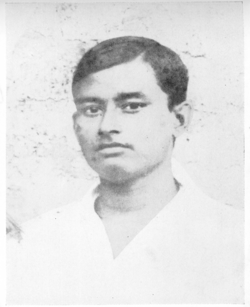
Part of the BBD trio who killed Inspector General Simpson at Writers' Building, Kolkata on December 8, 1930. Born September 11, 1908, in Munshiganj, Bangladesh.
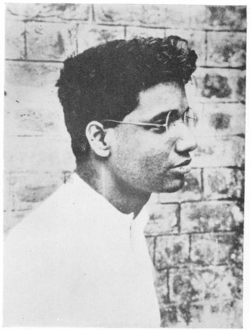
Part of the BBD trio. Born December 6, 1911, in Josholong, Munshiganj, Bangladesh. Executed July 7, 1931.
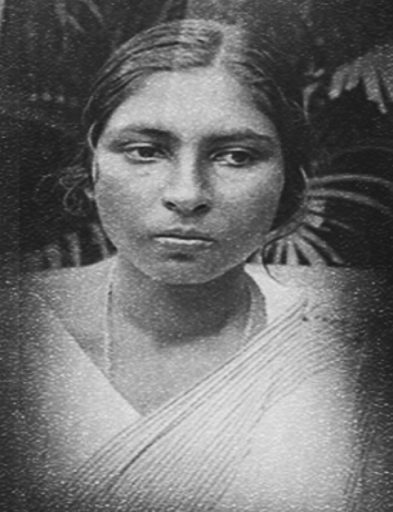
One of the first women recognised as a freedom fighter by the Government of India. Associated with the Jugantar Party. Supplied a revolver to Bina Das to kill the Bengal Governor. Born in Bikrampur, Dhaka.
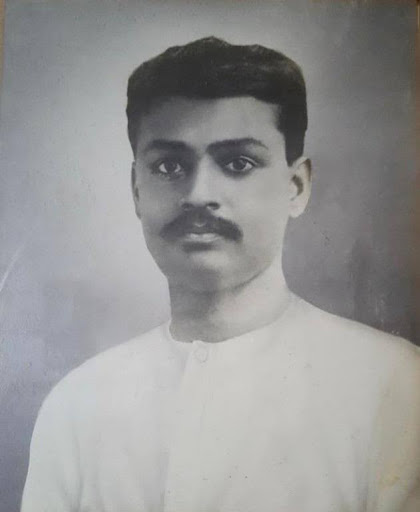
Founded the Hindustan Republican Association in 1924. Mentor to Bhagat Singh, Chandrashekhar Azad. Died February 7, 1942. (image collected from Col. Sourabh Sanyal, grandson)